As we age, maintaining an active lifestyle becomes increasingly important for our overall well-being, yet many adults find themselves facing new challenges when it comes to joint health and mobility. Whether you're a longtime O'Fallon resident enjoying walks through Silver Lake State Park or someone new to the Metroeast area looking to establish healthy habits, understanding how to protect and nurture your joints is essential for staying active throughout your golden years.
The good news is that aging doesn't have to mean accepting pain, stiffness, or decreased mobility as inevitable parts of life. With the right approach, you can maintain and even improve your joint health while continuing to enjoy the activities you love. Here in O'Fallon, Illinois, we see countless individuals who have successfully embraced aging with vitality by implementing targeted strategies for joint care and overall wellness.
Understanding Joint Health and the Aging Process
Before diving into specific strategies for staying active, it's crucial to understand what happens to our joints as we age. Joint health involves multiple components working together harmoniously: cartilage, synovial fluid, ligaments, tendons, and surrounding muscles. Over time, cartilage naturally experiences some wear, synovial fluid may decrease slightly, and muscle mass can decline if not actively maintained.
However, contrary to popular belief, joint degeneration isn't simply an inevitable consequence of aging. Many factors influence how our joints age, including genetics, lifestyle choices, nutrition, activity levels, and previous injuries. The key insight here is that we have significant control over many of these factors, which means we can actively influence our joint health trajectory.
One common misconception among O'Fallon residents and people throughout Illinois is that joint pain automatically means you should reduce activity levels. In reality, appropriate movement and exercise are often the best medicine for maintaining joint health. The phrase "motion is lotion" perfectly captures this concept – regular, appropriate movement helps keep joints lubricated, maintains range of motion, and strengthens the supporting muscle structures.
Stress also plays a significant role in joint health that many people overlook. Chronic stress can increase inflammation throughout the body, including in joint tissues. This is particularly relevant for busy adults juggling work, family, and community responsibilities. Managing stress through relaxation techniques, adequate sleep, and enjoyable activities becomes an important component of comprehensive joint care.
Low-Impact Exercise Strategies for Joint Protection
Selecting the right types of physical activity is crucial for staying active while protecting your joints from unnecessary strain. Low-impact exercises provide excellent cardiovascular benefits and muscle strengthening without placing excessive stress on joint structures.
Water-based activities rank among the most joint-friendly exercise options available. Swimming, water aerobics, and even simple walking in water provide natural buoyancy that reduces joint loading while still delivering excellent fitness benefits. The resistance of water also helps build strength in supporting muscles around joints. Many O'Fallon area fitness centers and community pools offer water-based programs specifically designed for older adults.
Walking remains one of the most accessible and beneficial activities for joint health. The key is choosing appropriate surfaces and gradually building endurance. Soft surfaces like tracks, trails, or even the paths around Silver Lake State Park can be easier on joints than concrete sidewalks. Start with comfortable distances and gradually increase duration rather than speed.
Cycling, whether outdoor biking or stationary cycling, provides excellent cardiovascular exercise while being gentle on weight-bearing joints like hips and knees. The smooth, circular motion helps maintain joint mobility while building leg strength. For those living near the historic Route 66 proximity, scenic cycling routes can make exercise feel more like recreation than work.
Yoga and tai chi deserve special mention for their unique combination of movement, balance training, and stress reduction. These practices improve flexibility, strengthen stabilizing muscles, and enhance body awareness – all crucial elements for preventing falls and maintaining joint health. Many studios in the Metroeast region offer classes specifically modified for older adults or those with joint concerns.
Strength training, when performed correctly, actually supports joint health by building the muscle strength necessary to properly support and stabilize joints during daily activities. Focus on controlled movements, proper form, and gradual progression rather than heavy weights. Resistance bands, light dumbbells, and bodyweight exercises can be excellent starting points.
Nutrition and Lifestyle Factors for Joint Support
What we eat and how we live significantly impacts joint health and our ability to stay active as we age. Proper nutrition provides the building blocks for healthy joint tissues while helping manage inflammation levels throughout the body.
Anti-inflammatory foods should form the foundation of a joint-healthy diet. Fatty fish rich in omega-3 fatty acids, such as salmon, sardines, and mackerel, help reduce inflammatory processes in joint tissues. Colorful fruits and vegetables provide antioxidants that combat oxidative stress and support tissue repair. Berries, leafy greens, bell peppers, and citrus fruits are particularly beneficial choices.
Hydration plays a often-underestimated role in joint health. Synovial fluid, which lubricates our joints, is primarily composed of water. Adequate hydration helps maintain optimal synovial fluid consistency and volume. Aim for clear or pale yellow urine as an indicator of proper hydration status.
Maintaining a healthy weight reduces mechanical stress on weight-bearing joints like hips, knees, and ankles. Even modest weight loss can significantly reduce joint pain and improve mobility. The combination of appropriate exercise and mindful eating typically proves more effective than diet alone for sustainable weight management.
Sleep quality directly impacts inflammation levels and tissue repair processes. Poor sleep can increase inflammatory markers throughout the body, including in joint tissues. Creating a consistent sleep schedule, maintaining a cool, dark sleeping environment, and limiting screen time before bed can improve sleep quality and support joint health.
Stress management techniques benefit joint health through their anti-inflammatory effects. Chronic stress elevates cortisol levels, which can increase inflammation and interfere with tissue repair. Regular meditation, deep breathing exercises, time in nature, or engaging in enjoyable hobbies can help manage stress levels effectively.
Professional Support and When to Seek Help
While self-care strategies form the foundation of healthy aging and joint care, professional guidance can be invaluable for optimizing your approach and addressing specific concerns. Knowing when and where to seek professional help ensures you receive appropriate care before minor issues become major problems.
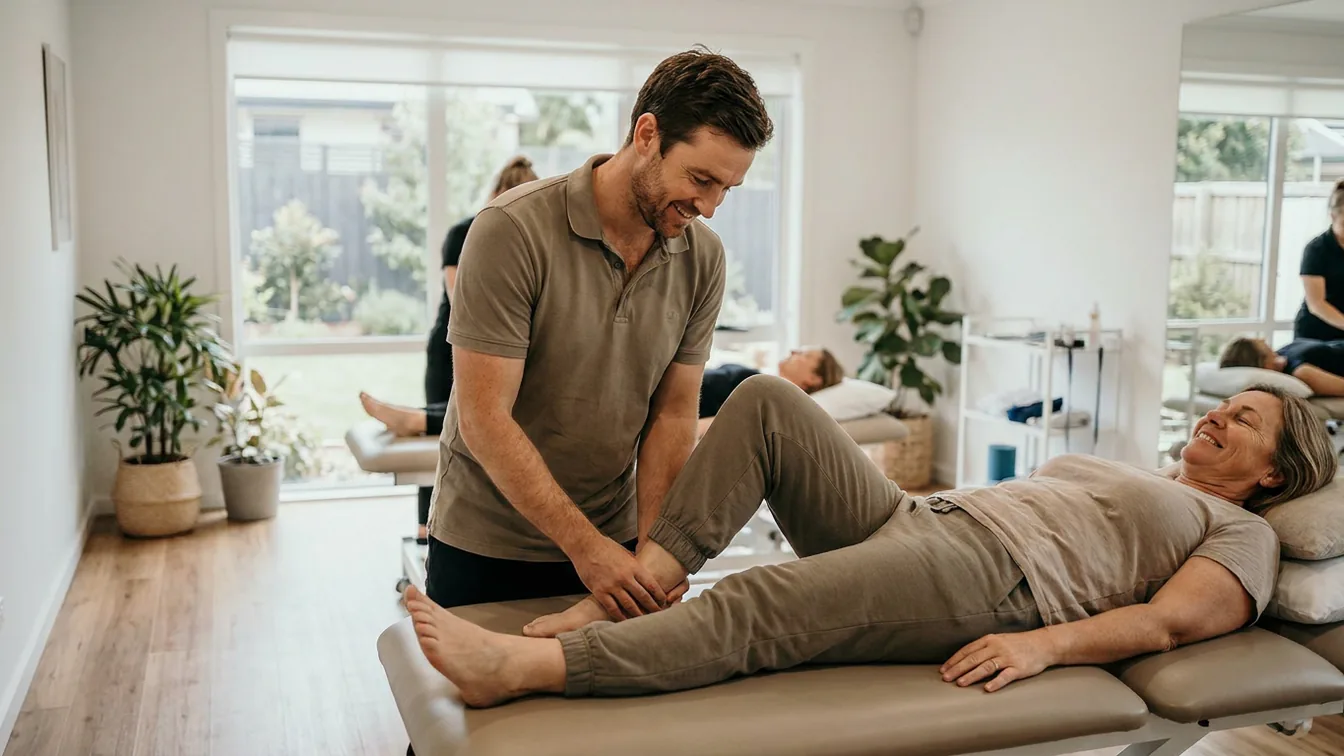
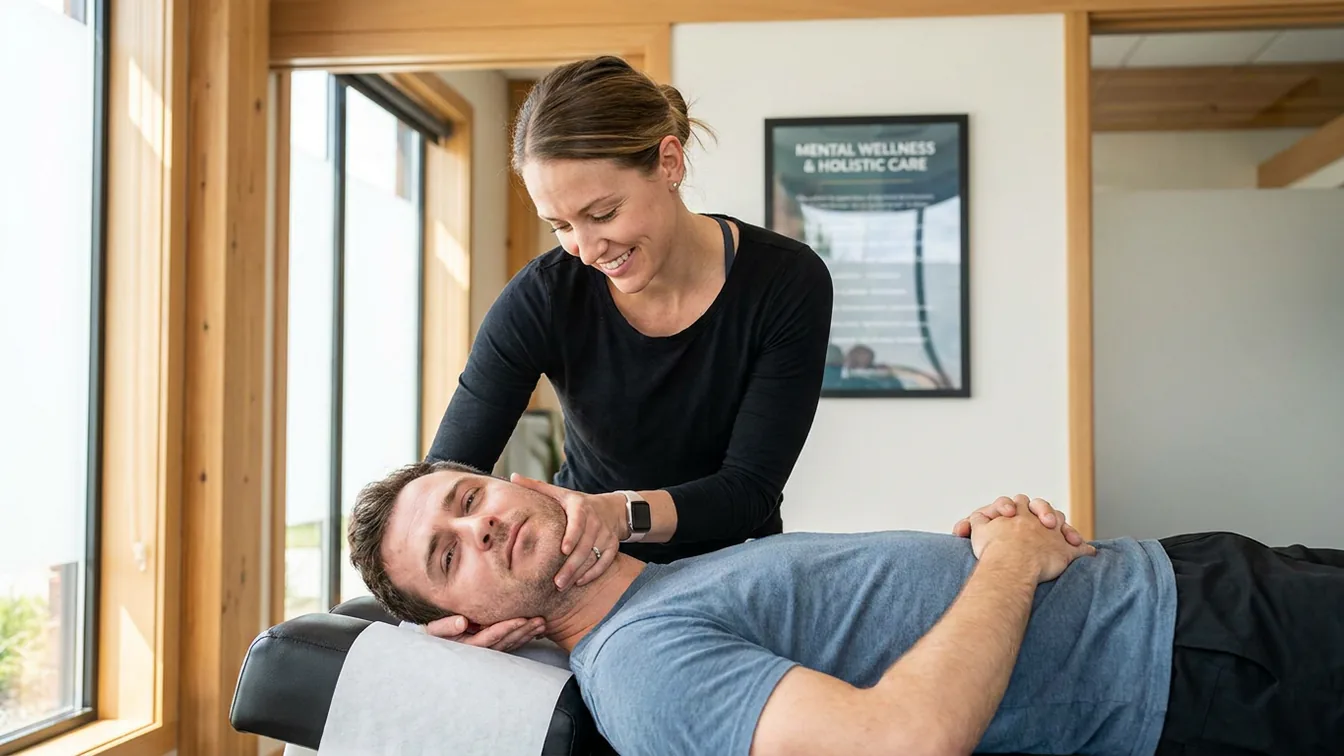
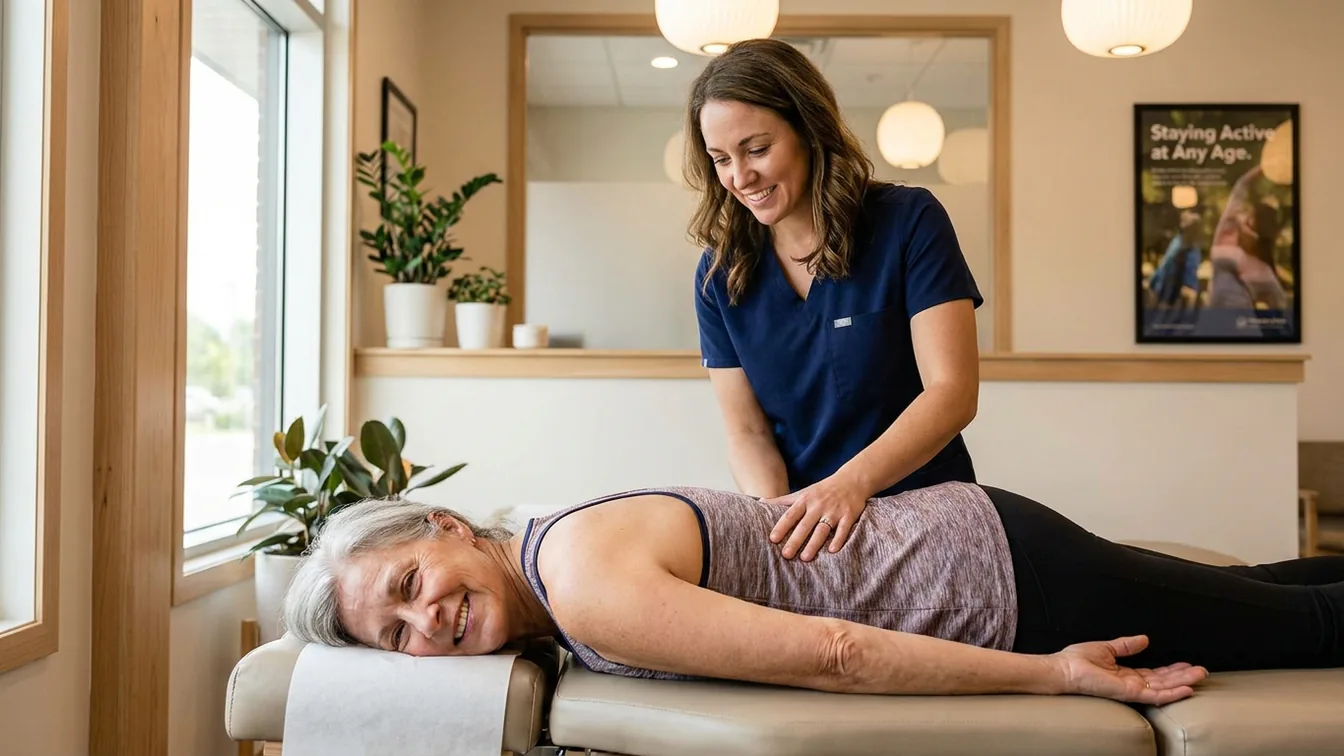
Chiropractic care offers a natural, non-invasive approach to joint health that focuses on optimizing joint function and movement patterns. Regular chiropractic adjustments can help maintain proper joint alignment, reduce stiffness, and improve overall mobility. Additionally, chiropractors can provide personalized exercise recommendations, ergonomic advice, and lifestyle guidance tailored to your specific needs and goals.
Physical therapy becomes particularly valuable when dealing with specific movement limitations or recovering from injuries. Physical therapists can identify muscle imbalances, movement compensations, or flexibility limitations that might contribute to joint problems. They can then design targeted exercise programs to address these issues and prevent future problems.
Nutritional counseling may be beneficial for individuals looking to optimize their diet for joint health or manage weight for reduced joint stress. A qualified nutritionist can help identify inflammatory foods in your diet and suggest practical modifications that fit your lifestyle and preferences.
Warning signs that warrant professional evaluation include persistent joint pain lasting more than a few days, significant morning stiffness that doesn't improve with movement, swelling or warmth around joints, or any sudden changes in mobility or function. Early intervention often leads to better outcomes and can prevent minor issues from becoming chronic problems.
O'Fallon residents have access to quality healthcare providers who understand the unique needs of adults focused on healthy aging. Dr. Mukaia Lockett Chiropractic, located at 2 Eagle Center Suite 1, O'Fallon, Illinois 62269, specializes in helping adults maintain active lifestyles through natural, holistic approaches to joint health and overall wellness.
Staying active as you age isn't just possible – it's essential for maintaining independence, quality of life, and overall health. By implementing these strategies for joint health, you can continue enjoying the activities you love while building a foundation for vibrant aging. Remember that consistency matters more than perfection, and small, sustainable changes often produce the most lasting results.
If you're ready to take a proactive approach to your joint health and learn how chiropractic care can support your active lifestyle goals, consider scheduling a consultation with a qualified healthcare provider who can assess your individual needs and develop a personalized plan for optimal aging.