Living with arthritis doesn't have to mean accepting a lifetime of pain and limited mobility. While traditional treatments often focus solely on medication management, physical rehabilitation offers a comprehensive approach that addresses the root causes of arthritis discomfort while building long-term strength and flexibility. For O'Fallon residents dealing with joint pain, understanding how targeted rehabilitation can transform your daily experience is the first step toward reclaiming an active, fulfilling life.
Arthritis affects millions of Americans, causing inflammation, stiffness, and pain that can significantly impact quality of life. Whether you're experiencing osteoarthritis from years of wear and tear or rheumatoid arthritis from autoimmune factors, the good news is that physical rehabilitation provides evidence-based solutions that go far beyond temporary pain relief. By addressing movement patterns, muscle imbalances, and joint mechanics, rehabilitation creates lasting changes that help your body function more efficiently and comfortably.
Understanding How Physical Rehabilitation Transforms Arthritis Management
Physical rehabilitation takes a holistic approach to arthritis care by examining how your entire musculoskeletal system works together. Unlike medications that mask symptoms, rehabilitation addresses the underlying biomechanical issues that contribute to joint stress and inflammation. This comprehensive strategy focuses on improving joint mobility, strengthening supporting muscles, and teaching your body more efficient movement patterns.
The key to successful arthritis management lies in understanding that your joints don't work in isolation. When one joint becomes arthritic and painful, surrounding muscles often compensate by working harder or in altered patterns. This compensation can create a cascade of problems, leading to increased stress on other joints and perpetuating the cycle of pain and dysfunction. Physical rehabilitation breaks this cycle by restoring proper function throughout your kinetic chain.
One of the most significant advantages of rehabilitation is its ability to provide lasting relief rather than temporary fixes. While pain medications offer short-term comfort, they don't address the movement dysfunctions that contribute to ongoing joint deterioration. Rehabilitation, on the other hand, teaches your body new ways of moving that reduce stress on arthritic joints while building the strength and flexibility needed to maintain these improvements long-term.
For residents in areas like St. Louis and Cahokia Heights, accessing quality rehabilitation care means finding practitioners who understand the unique challenges of arthritis and can develop personalized treatment plans. The most effective programs combine manual therapy techniques with targeted exercises and lifestyle modifications, creating a comprehensive approach that addresses all aspects of your condition.
Evidence-Based Techniques That Deliver Real Results
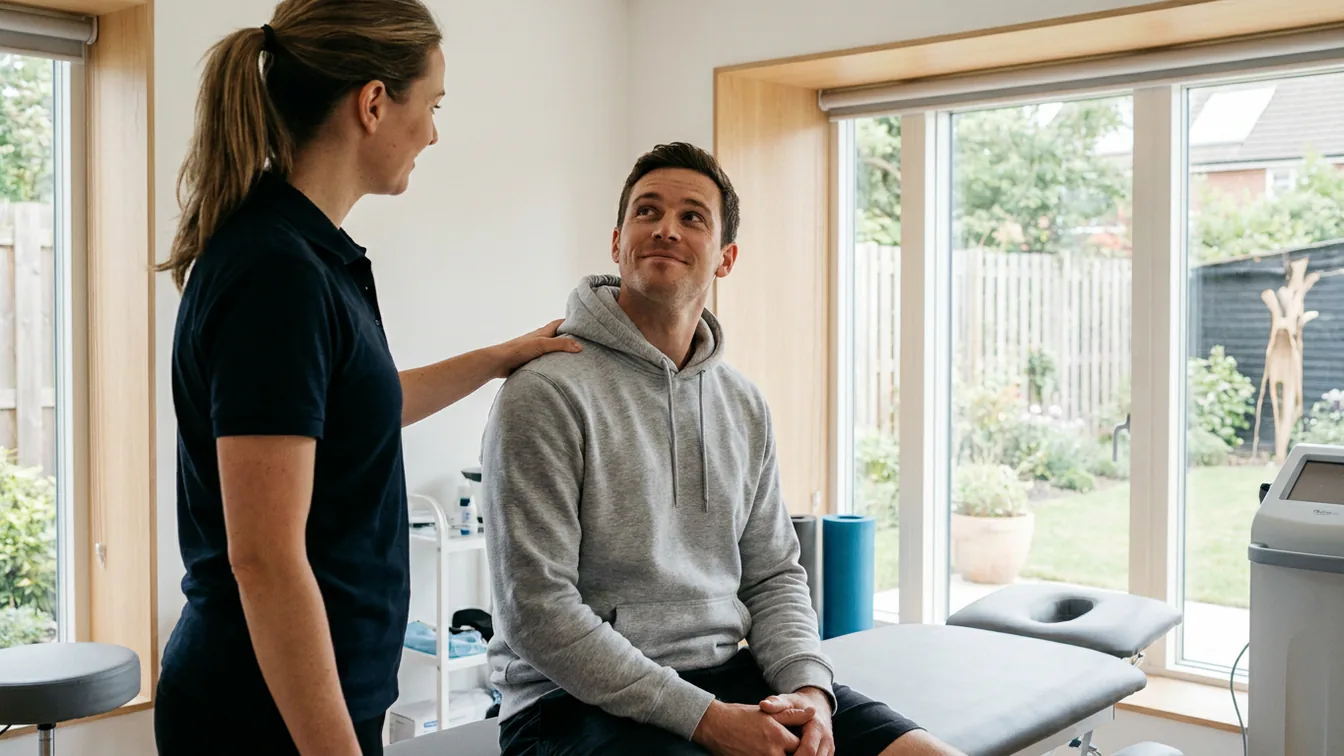
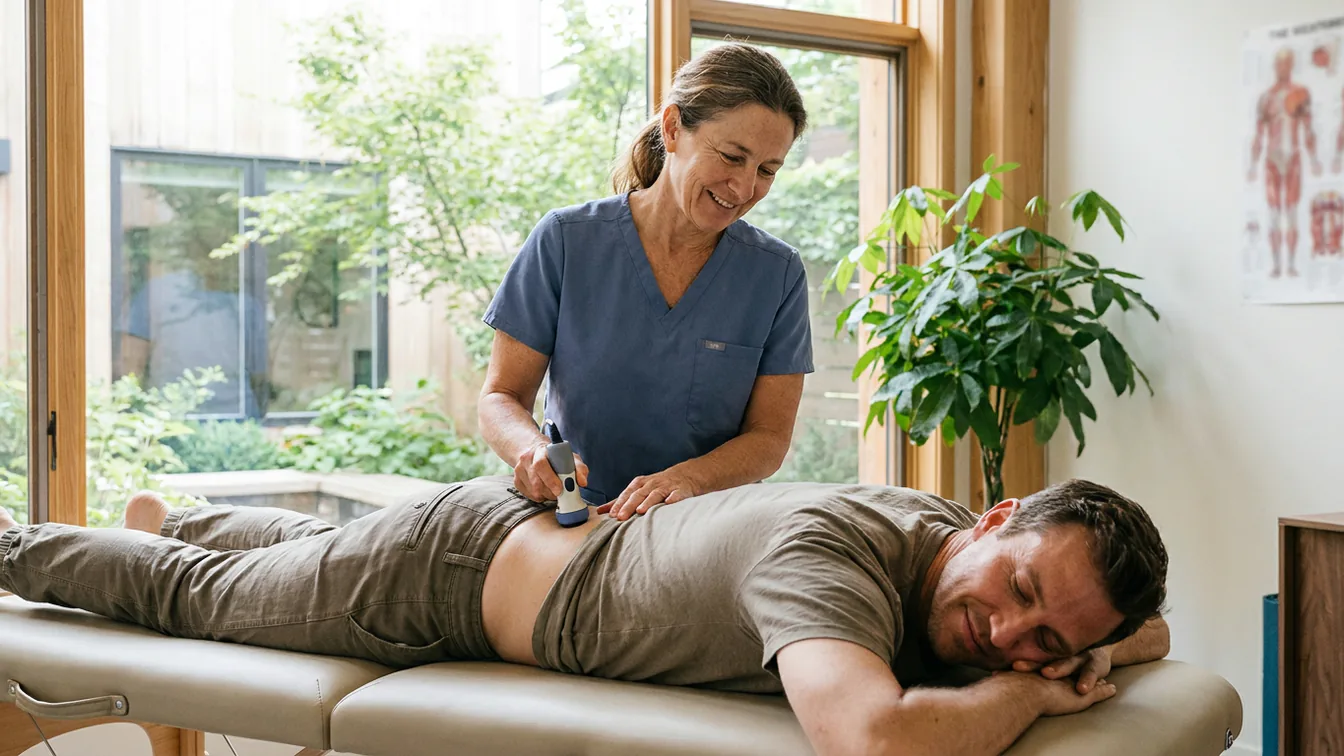
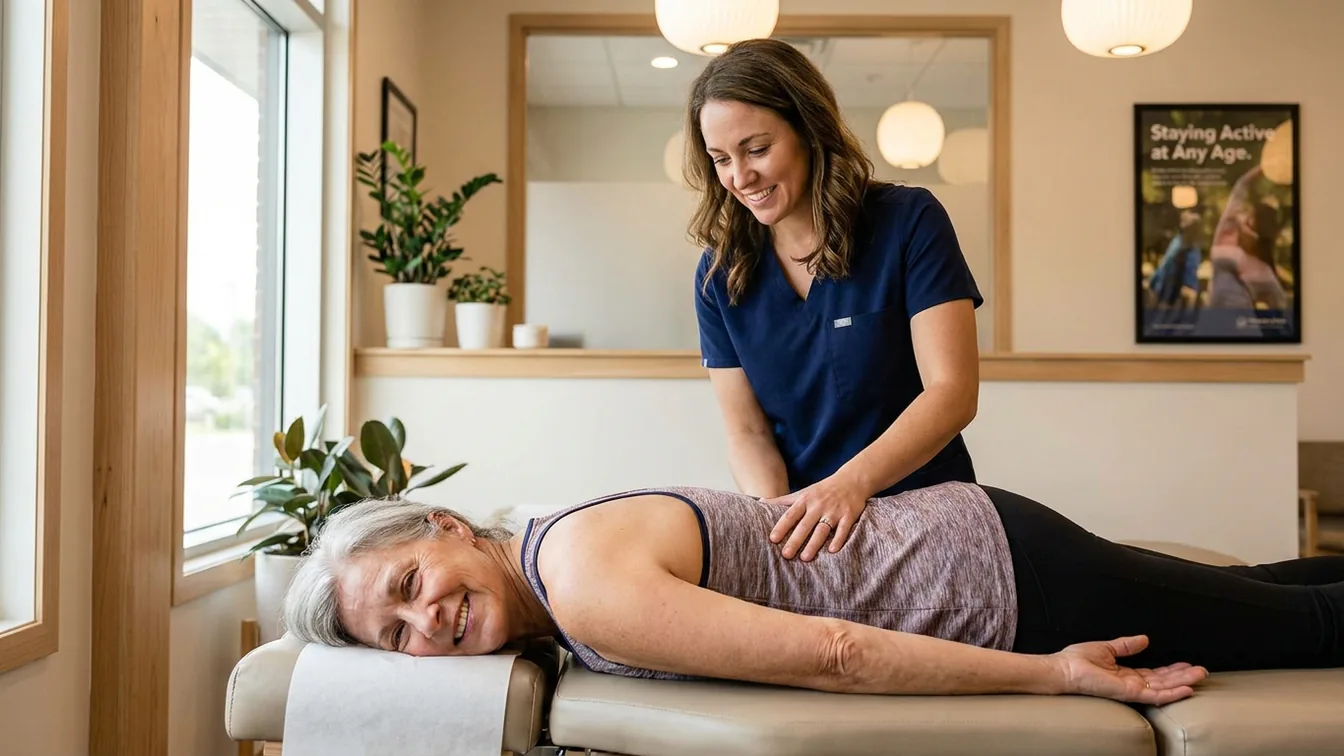
Modern physical rehabilitation employs a variety of scientifically-proven techniques specifically designed to address arthritis symptoms while promoting joint health. Manual therapy forms the foundation of many successful treatment plans, using hands-on techniques to improve joint mobility and reduce muscle tension. These methods help restore normal movement patterns while decreasing the inflammation that contributes to arthritis pain.
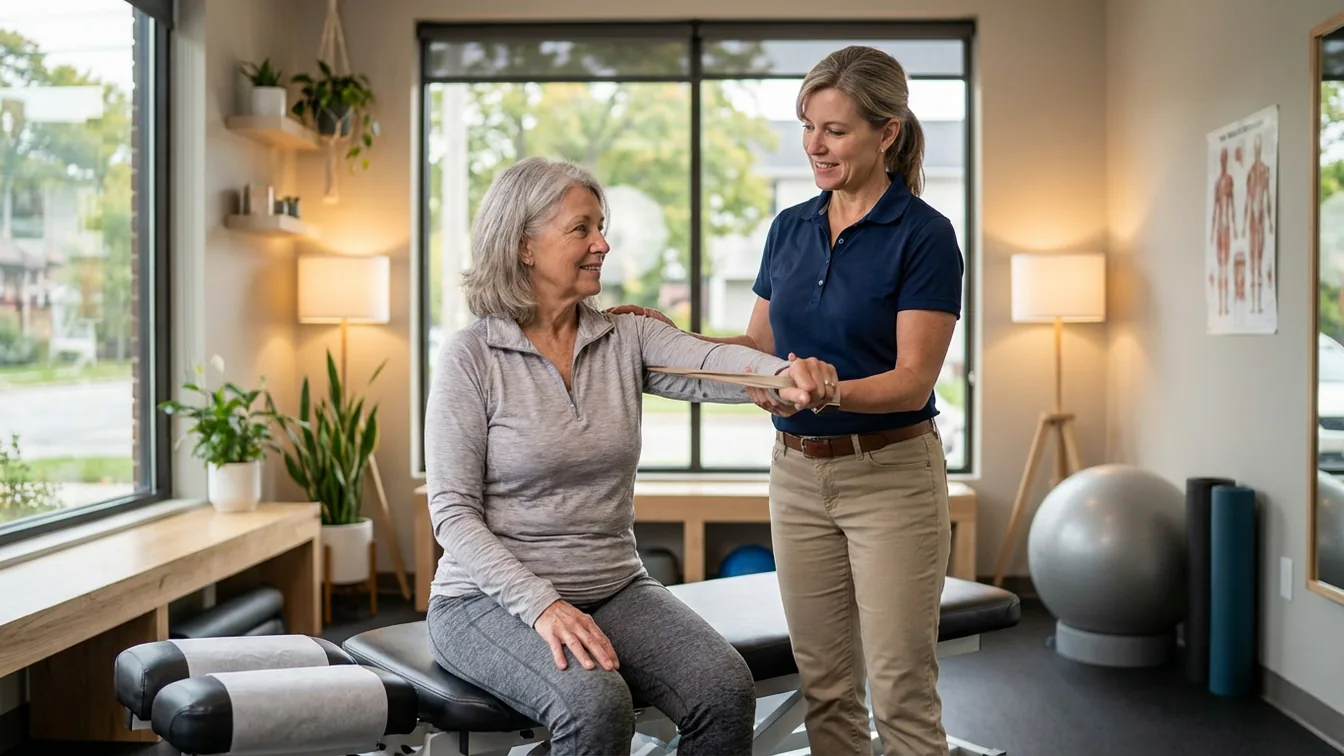
Therapeutic exercise represents another crucial component of effective rehabilitation. Unlike generic fitness routines, arthritis-specific exercises are carefully designed to strengthen muscles that support affected joints without placing excessive stress on already compromised tissues. These exercises focus on building functional strength that translates directly to improved daily activities, from climbing stairs to reaching overhead.
Hydrotherapy has gained recognition as an particularly effective tool for arthritis management. The buoyancy of water reduces joint loading while providing gentle resistance for muscle strengthening. Many O'Fallon residents find that water-based exercises allow them to move more freely and with less pain than land-based activities, making it an excellent option for those with severe joint limitations.
Movement re-education plays a vital role in long-term success. Many people with arthritis develop compensatory movement patterns that, while initially protective, ultimately contribute to increased joint stress and pain. Rehabilitation specialists work to identify these harmful patterns and teach more efficient ways of performing daily activities. This might involve learning proper lifting techniques, improving walking mechanics, or developing better posture habits.
Pain science education has emerged as a powerful tool in arthritis management. Understanding how pain works and why certain activities may hurt can help reduce fear and anxiety around movement, which often perpetuates disability. When patients understand that some discomfort during movement is normal and not necessarily harmful, they're more likely to engage in beneficial activities that promote joint health.
Creating Your Personalized Path to Pain-Free Living
Successful arthritis rehabilitation begins with a comprehensive assessment that examines not just your painful joints, but your entire movement system. This evaluation helps identify contributing factors such as muscle imbalances, postural problems, and movement restrictions that may be perpetuating your symptoms. Understanding your unique presentation allows for the development of a truly personalized treatment plan.
The initial phase of rehabilitation typically focuses on reducing acute pain and inflammation while beginning to restore basic mobility. This might involve gentle manual therapy, specific stretching exercises, and modalities like heat or cold therapy. The goal is to create a foundation of improved function that supports more intensive rehabilitation efforts.
As pain levels decrease and mobility improves, the focus shifts toward building strength and endurance in muscles that support your affected joints. This progressive strengthening approach ensures that your body can handle increased activity levels without experiencing setbacks. For many O'Fallon patients, this phase represents a turning point where they begin to feel genuinely hopeful about their long-term prognosis.
Functional training represents the final phase of comprehensive rehabilitation, where the strength and mobility gains are translated into real-world activities. This might involve practicing job-specific movements, recreational activities, or challenging household tasks. The goal is to ensure that improvements made in the clinic translate to meaningful changes in your daily life.
Home exercise programs play a crucial role in maintaining the gains achieved through professional care. Your rehabilitation team will provide you with specific exercises and techniques that can be performed independently, empowering you to take an active role in managing your condition. Regular performance of these exercises helps maintain joint mobility and muscle strength while preventing the return of painful symptoms.
Building Long-Term Success in Illinois Communities
The journey from chronic arthritis pain to comfortable, active living requires more than just professional treatment – it demands a comprehensive lifestyle approach that supports joint health. Nutrition plays a significant role in managing inflammation, with certain foods helping to reduce the inflammatory processes that drive arthritis symptoms. Your rehabilitation team can provide guidance on dietary choices that complement your physical treatment plan.
Stress management represents another crucial component of long-term arthritis management. Chronic stress can increase inflammation and pain sensitivity, making it more difficult to achieve lasting relief. Learning effective stress reduction techniques, whether through meditation, gentle yoga, or other relaxation methods, can significantly enhance the benefits of physical rehabilitation.
Sleep quality directly impacts pain levels and your body's ability to heal and recover. Poor sleep can increase inflammation and pain sensitivity while reducing your motivation to engage in beneficial activities. Addressing sleep hygiene and creating an environment that promotes restorative rest supports your rehabilitation efforts and overall well-being.
Regular monitoring and adjustment of your treatment plan ensures continued progress and prevents setbacks. Arthritis is a dynamic condition that may change over time, requiring modifications to your exercise routine or treatment approach. Maintaining regular contact with your rehabilitation team allows for timely adjustments that keep you on track toward your goals.
For residents throughout Illinois who are ready to move beyond simply managing arthritis symptoms to actually overcoming them, professional rehabilitation care offers hope for a more active, comfortable future. Whether you're just beginning to experience joint pain or have been struggling with arthritis for years, it's never too late to explore how physical rehabilitation can transform your experience.
If you're ready to discover how physical rehabilitation can provide lasting relief for your arthritis, the experienced team at Dr. Mukaia Lockett Chiropractic is here to help. Located at 2 Eagle Center Suite 1, O'Fallon, Illinois 62269, our clinic specializes in comprehensive arthritis care that addresses your unique needs and goals. Don't let arthritis dictate the limits of your life – contact our O'Fallon clinic today to begin your journey toward lasting relief and renewed vitality.