
Shoulder pain affects millions of Americans daily, and if you're reading this from O'Fallon, Illinois, you're likely seeking effective, natural solutions to regain your quality of life. Whether you're dealing with a recent injury from weekend activities at Lion's Lake Park or chronic discomfort that's been building over months, understanding your treatment options is the first step toward lasting relief.
Shoulder pain doesn't discriminate – it affects office workers, athletes, parents lifting children, and members of our corn and soybean farming communities who perform repetitive motions throughout their workday. The good news is that many shoulder conditions respond exceptionally well to conservative, non-invasive treatments that address the root cause rather than simply masking symptoms.
Understanding Common Shoulder Pain Causes in O'Fallon Residents
Before exploring treatment options, it's crucial to understand what might be causing your shoulder discomfort. The shoulder is one of the most complex joints in your body, consisting of multiple bones, muscles, tendons, and ligaments that work together to provide incredible range of motion. This complexity, while beneficial for daily activities, also makes the shoulder vulnerable to various injuries and conditions.
Rotator cuff injuries represent one of the most frequent causes of shoulder pain, particularly among adults over 40. These four small muscles and their tendons can become torn, inflamed, or impinged, leading to pain that often worsens at night or when reaching overhead. Many O'Fallon residents first notice rotator cuff issues when simple tasks like reaching into a high cabinet or throwing a ball become painful.
Frozen shoulder, medically known as adhesive capsulitis, is another common condition that can severely limit your shoulder's range of motion. This condition typically develops gradually, with pain and stiffness increasing over time until the shoulder feels "frozen" in place. While the exact cause isn't always clear, frozen shoulder often follows periods of immobility or can develop after other shoulder injuries.
Postural problems have become increasingly common in our digital age. Poor posture while working at computers, looking down at phones, or even sleeping in awkward positions can create muscle imbalances that lead to chronic shoulder pain. The forward head posture many of us develop pulls on the muscles around the shoulder blade and can create trigger points that refer pain into the shoulder joint itself.
Arthritis, particularly osteoarthritis, can affect the shoulder joint just as it does other joints in the body. This degenerative condition causes the cartilage that cushions the joint to wear away, leading to bone-on-bone contact that creates pain, stiffness, and reduced range of motion.
Effective Non-Surgical Treatment Approaches
The encouraging news for most people experiencing shoulder pain is that surgical intervention is rarely the first or best option. Conservative treatments have proven highly effective for the majority of shoulder conditions, and O'Fallon residents have access to various natural healing approaches that can provide significant relief.
Chiropractic care stands out as one of the most effective treatments for shoulder pain, particularly when the discomfort stems from joint dysfunction, muscle imbalances, or nerve irritation. Chiropractors are uniquely trained to identify and correct misalignments in the spine and extremities that can contribute to shoulder problems. Many shoulder issues actually originate from problems in the cervical spine or thoracic region, where nerve interference can create pain and dysfunction in the shoulder.
During a chiropractic evaluation, your practitioner will assess not just your shoulder but your entire musculoskeletal system to identify contributing factors. This might include examining your posture, checking for spinal misalignments, and evaluating the function of surrounding joints. Treatment typically involves gentle adjustments to restore proper joint function, soft tissue therapies to address muscle tension and trigger points, and specific exercises designed to strengthen weak muscles and stretch tight ones.
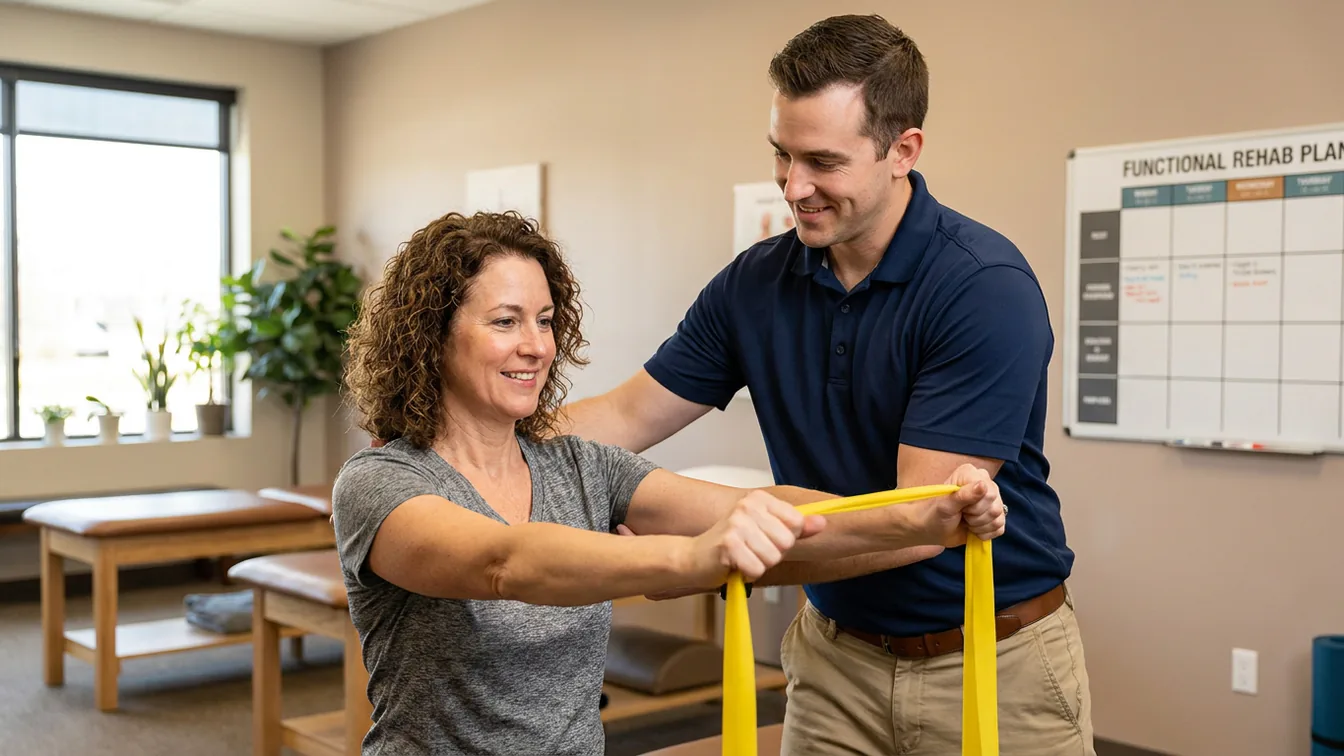
Physical therapy exercises play a crucial role in shoulder pain recovery and prevention. A well-designed exercise program addresses both the symptoms and underlying causes of shoulder dysfunction. Strengthening exercises focus on the rotator cuff muscles, which provide stability to the shoulder joint, while stretching routines help restore range of motion and flexibility.
One of the most effective exercises for many shoulder conditions is the pendulum swing, where you lean forward and let your affected arm hang loosely, then gently swing it in small circles. This exercise helps maintain mobility while avoiding stress on healing tissues. Wall slides, where you slide your arms up and down a wall while keeping your back flat against it, can help retrain proper shoulder blade movement and strengthen the muscles that support good posture.
Cold therapy proves most beneficial in the acute phase of shoulder injuries, typically the first 48-72 hours after an injury or during flare-ups of chronic conditions. Ice helps reduce inflammation and numb pain, making it easier to move through daily activities. Apply ice for 15-20 minutes at a time, several times throughout the day, always using a barrier like a thin towel to protect your skin.
Heat therapy becomes more appropriate once the acute inflammatory phase has passed. Heat helps relax tense muscles, improves blood flow to promote healing, and can significantly reduce stiffness. A warm shower, heating pad, or warm compress applied for 15-20 minutes can provide substantial relief, particularly before stretching or exercise routines.
When to Seek Professional Treatment in O'Fallon
While many minor shoulder aches and pains resolve with rest and basic home care, certain symptoms indicate the need for professional evaluation and treatment. Understanding these warning signs can help you avoid complications and ensure you receive appropriate care when needed.
Persistent pain that doesn't improve with rest and basic home remedies within a few days warrants professional attention. If your shoulder pain continues for more than a week despite your best efforts at self-care, an underlying condition may require specific treatment to resolve properly.
Severe pain that interferes with sleep or prevents you from performing basic daily activities should never be ignored. Shoulder pain that wakes you up at night or makes it difficult to dress yourself, reach for objects, or perform work duties needs immediate professional evaluation.
Significant loss of range of motion, particularly if it develops gradually over weeks or months, may indicate conditions like frozen shoulder that benefit greatly from early intervention. If you notice that you can't reach as far overhead, behind your back, or across your body as you normally can, don't wait for the condition to worsen before seeking help.
Neurological symptoms such as numbness, tingling, or weakness in your arm or hand alongside shoulder pain may indicate nerve involvement that requires specific treatment approaches. These symptoms could suggest conditions ranging from cervical spine problems to thoracic outlet syndrome, all of which respond better to early treatment.
For O'Fallon residents, whether you live in Fairview Heights or Glen Carbon, professional chiropractic care offers a natural, effective approach to shoulder pain treatment. Dr. Mukaia Lockett Chiropractic provides comprehensive evaluation and treatment that addresses not just your immediate pain but the underlying factors contributing to your shoulder problems.
Creating Your Personal Recovery Plan
Successful shoulder pain treatment requires more than just passive therapies – it demands active participation in your recovery process. Creating a comprehensive plan that combines professional treatment with lifestyle modifications and home care strategies provides the best foundation for long-term success.
Posture awareness becomes crucial for anyone dealing with shoulder pain, particularly if you spend significant time at a computer or performing repetitive activities. Simple adjustments like ensuring your computer monitor is at eye level, keeping your shoulders relaxed rather than hunched forward, and taking regular breaks to stretch and move can make a dramatic difference in your symptoms.
Sleep position modifications can significantly impact shoulder pain, especially for those with rotator cuff injuries or frozen shoulder. Sleeping on your affected side often worsens symptoms, so try sleeping on your back or on your unaffected side with a pillow supporting your painful arm. Some people find relief using a wedge pillow that elevates their upper body slightly.
Gradual return to activities is essential for preventing re-injury while maintaining the progress you've made. Rather than jumping back into full activity as soon as pain subsides, gradually increase your activity level while paying attention to how your shoulder responds. This approach helps ensure that healing tissues can handle increasing demands without setback.
Stress management shouldn't be overlooked as part of your recovery plan. Chronic stress can increase muscle tension, slow healing, and make you more sensitive to pain. Techniques like deep breathing, gentle yoga, meditation, or simply taking walks through O'Fallon's beautiful neighborhoods can help reduce stress and support your body's natural healing processes.
Nutrition also plays a role in recovery, particularly foods that help reduce inflammation and support tissue healing. Omega-3 fatty acids found in fish, walnuts, and flax seeds have natural anti-inflammatory properties. Antioxidant-rich fruits and vegetables help protect tissues from damage, while adequate protein intake supports the repair of muscles and other soft tissues.
Hydration affects every aspect of your body's function, including the health of your joints and muscles. Proper hydration helps maintain the fluid that lubricates your joints and supports the transport of nutrients to healing tissues. Aim for at least eight glasses of water daily, more if you're active or live in a dry climate.
If you're experiencing shoulder pain that's affecting your daily life, don't let it become a chronic problem that limits your activities and enjoyment of life. The sooner you address shoulder pain with appropriate treatment, the better your chances of complete recovery. Dr. Mukaia Lockett Chiropractic, located at 2 Eagle Center Suite 1, O'Fallon, Illinois 62269, offers comprehensive evaluation and natural treatment approaches that can help you regain full shoulder function and return to the activities you love. Contact our O'Fallon clinic today to schedule your consultation and take the first step toward lasting shoulder pain relief.