When you're dealing with chronic pain, mobility issues, or recovering from an injury, the question isn't whether you need help—it's what type of help will serve you best. Physical rehabilitation has emerged as a cornerstone of natural healthcare, offering hope and healing to countless individuals seeking alternatives to medication-dependent treatments. But how do you know if this approach is right for your unique situation?
O'Fallon residents, like people everywhere, are increasingly turning to rehabilitation services as they recognize the profound impact these treatments can have on their quality of life. Whether you're a weekend warrior dealing with a sports injury, a professional spending long hours at a desk, or someone managing the effects of aging, understanding what physical rehabilitation can offer is the first step toward making an informed decision about your healthcare journey.
The beauty of rehabilitation lies in its personalized approach to healing. Unlike one-size-fits-all solutions, this field recognizes that every body tells a different story, and every recovery path requires careful consideration of individual circumstances, goals, and limitations.
Understanding What Physical Rehabilitation Really Means
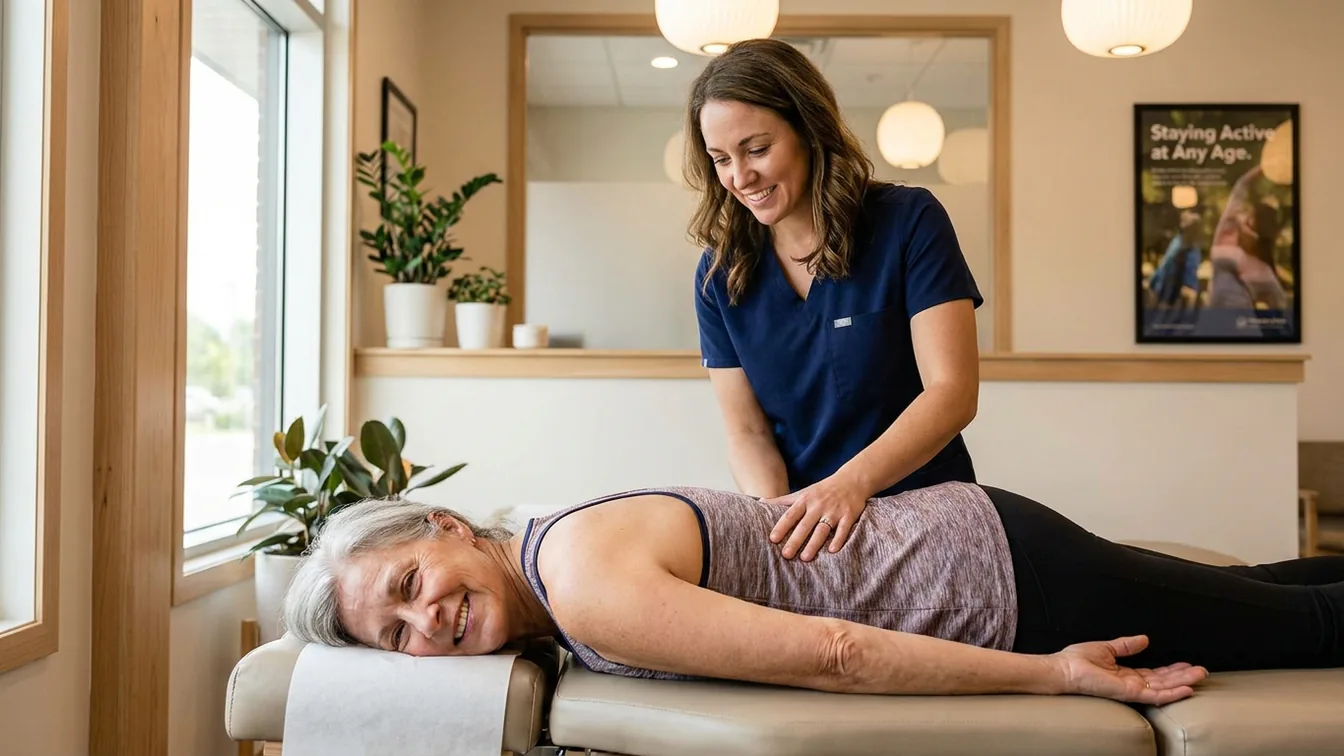
Physical rehabilitation encompasses a broad spectrum of therapeutic interventions designed to restore function, reduce pain, and improve overall quality of life. At its core, this approach focuses on addressing the root causes of dysfunction rather than simply masking symptoms. Here's what you should consider when evaluating whether this path aligns with your health goals.
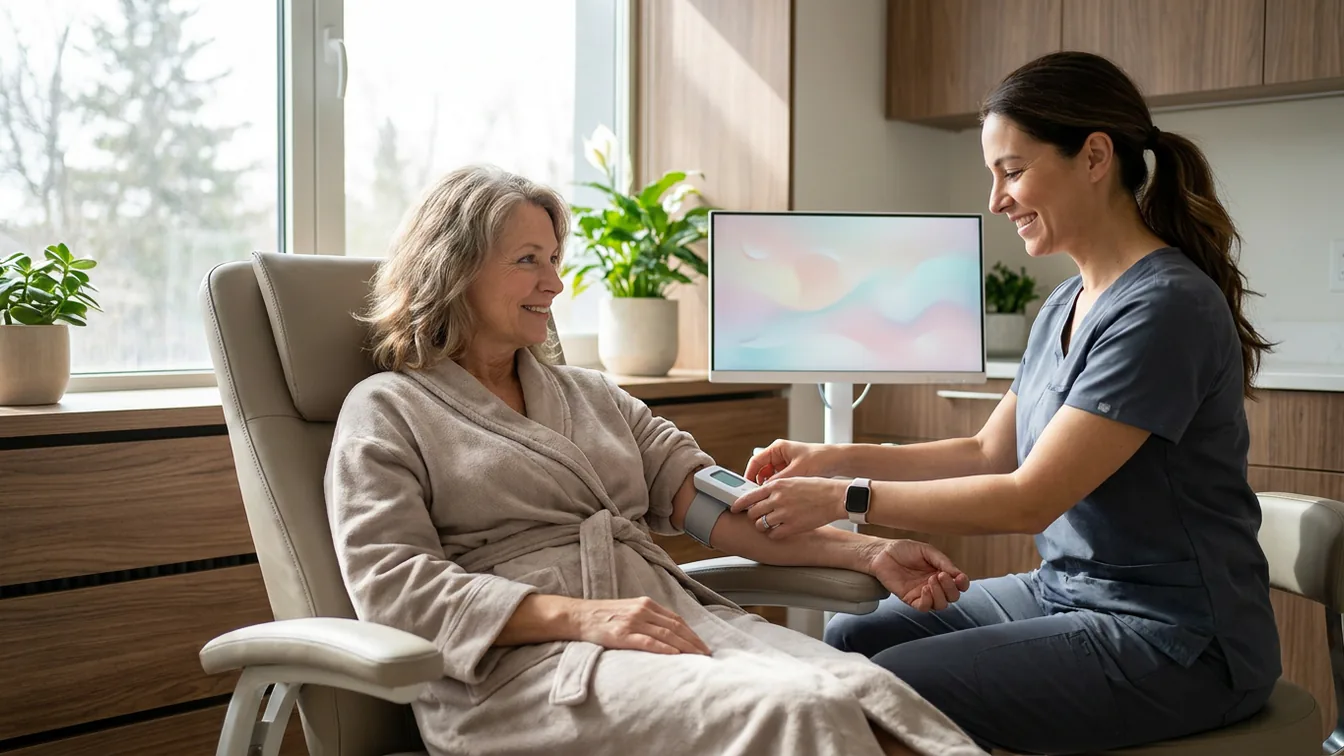
The rehabilitation process typically begins with a comprehensive assessment that examines not just your current symptoms, but your entire movement patterns, lifestyle factors, and health history. This holistic evaluation helps practitioners understand the interconnected nature of your body's systems and identify contributing factors that might not be immediately obvious.
Many people mistakenly believe that rehabilitation is only necessary after severe injuries or surgeries. In reality, this approach can be incredibly beneficial for addressing everyday issues like poor posture, repetitive strain injuries, and age-related mobility changes. Whether you live in Lebanon or Caseyville, you've likely encountered individuals who have discovered the transformative power of rehabilitation for seemingly minor issues that were significantly impacting their daily lives.
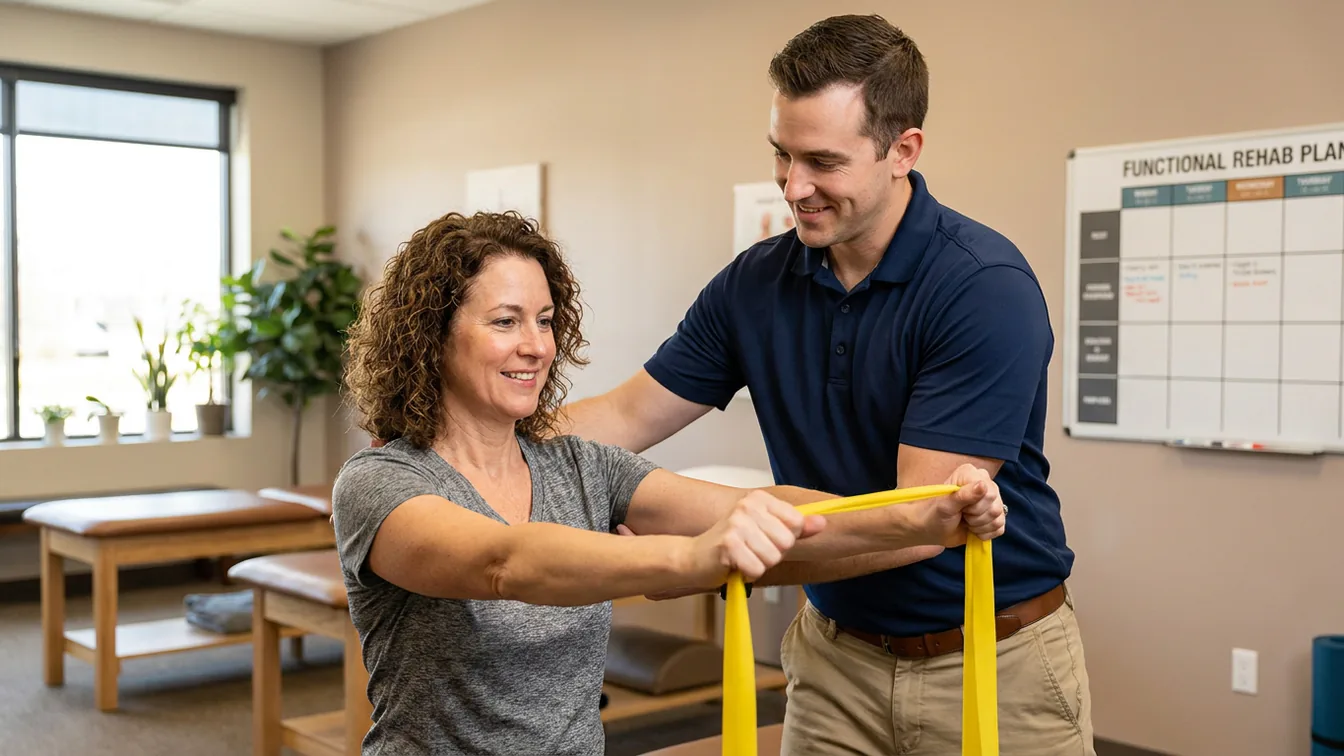
One of the most compelling aspects of physical rehabilitation is its emphasis on education and empowerment. Rather than creating dependency on treatments, quality rehabilitation programs teach you to understand your body better and provide you with tools to maintain and improve your health independently. This educational component is particularly valuable for long-term success and injury prevention.
Key Factors to Evaluate Before Starting Your Rehabilitation Journey
Deciding whether physical rehabilitation is right for you requires honest self-reflection and careful consideration of several important factors. Your current health status, lifestyle demands, and personal goals all play crucial roles in determining the potential success of rehabilitation interventions.
First, consider the nature and duration of your symptoms. Acute injuries often respond well to early rehabilitation interventions, while chronic conditions may require more comprehensive, long-term approaches. If you've been dealing with persistent pain or mobility limitations for months or years, rehabilitation might offer the breakthrough you've been seeking, but it's important to have realistic expectations about the timeline for improvement.
Your commitment level is another critical factor to evaluate. Successful rehabilitation typically requires active participation, including attending regular appointments, performing prescribed exercises, and potentially making lifestyle modifications. Illinois residents who have achieved the best outcomes are often those who view rehabilitation as a collaborative process rather than a passive treatment they receive.
It's also important to consider your current activity level and goals. Are you looking to return to competitive sports, manage workplace-related strain, or simply move more comfortably through daily activities? Different objectives may require different approaches, and understanding your priorities will help you and your healthcare team develop an appropriate treatment plan.
Financial considerations deserve attention as well. While many insurance plans cover rehabilitation services, understanding your coverage and potential out-of-pocket expenses beforehand can help you make informed decisions about the duration and intensity of your treatment program.
When Physical Rehabilitation Becomes Essential
Certain situations make physical rehabilitation not just beneficial, but essential for optimal recovery and long-term health. Recognizing these circumstances can help you understand when professional intervention becomes a necessity rather than an option.
Post-surgical recovery represents one of the most clear-cut cases where rehabilitation becomes crucial. Whether you're recovering from orthopedic surgery, dealing with post-operative complications, or working to regain function after a medical procedure, structured rehabilitation can significantly impact your healing trajectory and final outcomes.
Chronic pain conditions that haven't responded to other treatments often benefit tremendously from comprehensive rehabilitation approaches. These conditions, which might include fibromyalgia, chronic back pain, or persistent headaches, frequently involve complex interactions between physical, emotional, and lifestyle factors that rehabilitation programs are uniquely equipped to address.
Progressive conditions that affect mobility and function also warrant serious consideration of rehabilitation services. Early intervention can often slow progression, maintain independence longer, and improve quality of life significantly. This is particularly relevant for O'Fallon residents dealing with conditions like arthritis, which can benefit greatly from proactive management strategies.
Workplace injuries or repetitive strain injuries represent another category where rehabilitation often becomes essential. Our modern work environments, particularly those influenced by Illinois coal mining heritage and industrial backgrounds, can place unique demands on the body that require specialized intervention to address effectively.
Making the Right Choice for Your Health Journey
Ultimately, the decision to pursue physical rehabilitation should be based on a thorough understanding of your options, realistic expectations, and clear communication with qualified healthcare professionals. The process of determining whether this approach is right for you should involve careful consideration of your individual circumstances and goals.
Start by consulting with healthcare providers who can assess your specific situation and provide professional guidance about whether rehabilitation services align with your needs. A comprehensive evaluation can reveal factors you might not have considered and help you understand the potential benefits and challenges of different treatment approaches.
Consider seeking multiple professional opinions, especially if you're dealing with complex or long-standing issues. Different practitioners may offer varying perspectives on your condition and potential treatment options, giving you a more complete picture of your choices.
Don't underestimate the importance of finding the right healthcare team. The relationship between you and your rehabilitation providers can significantly impact your outcomes, so take time to find professionals who listen to your concerns, explain their recommendations clearly, and demonstrate a genuine commitment to your success.
It's also valuable to connect with others who have undergone similar rehabilitation journeys. Their experiences can provide insights into what to expect and help you prepare mentally and practically for the process ahead.
Remember that choosing rehabilitation doesn't necessarily mean committing to a lengthy or intensive program. Many people benefit from shorter-term interventions that provide education, symptom relief, and strategies for long-term self-management.
If you're considering physical rehabilitation and want to explore your options with experienced professionals who understand the unique needs of our community, Dr. Mukaia Lockett Chiropractic offers comprehensive evaluation and treatment services. Located at 2 Eagle Center Suite 1, O'Fallon, Illinois 62269, our team can help you determine whether rehabilitation services align with your health goals and provide the personalized care you deserve. Taking that first step toward better health might be easier than you think, and the benefits could extend far beyond what you initially imagined possible.