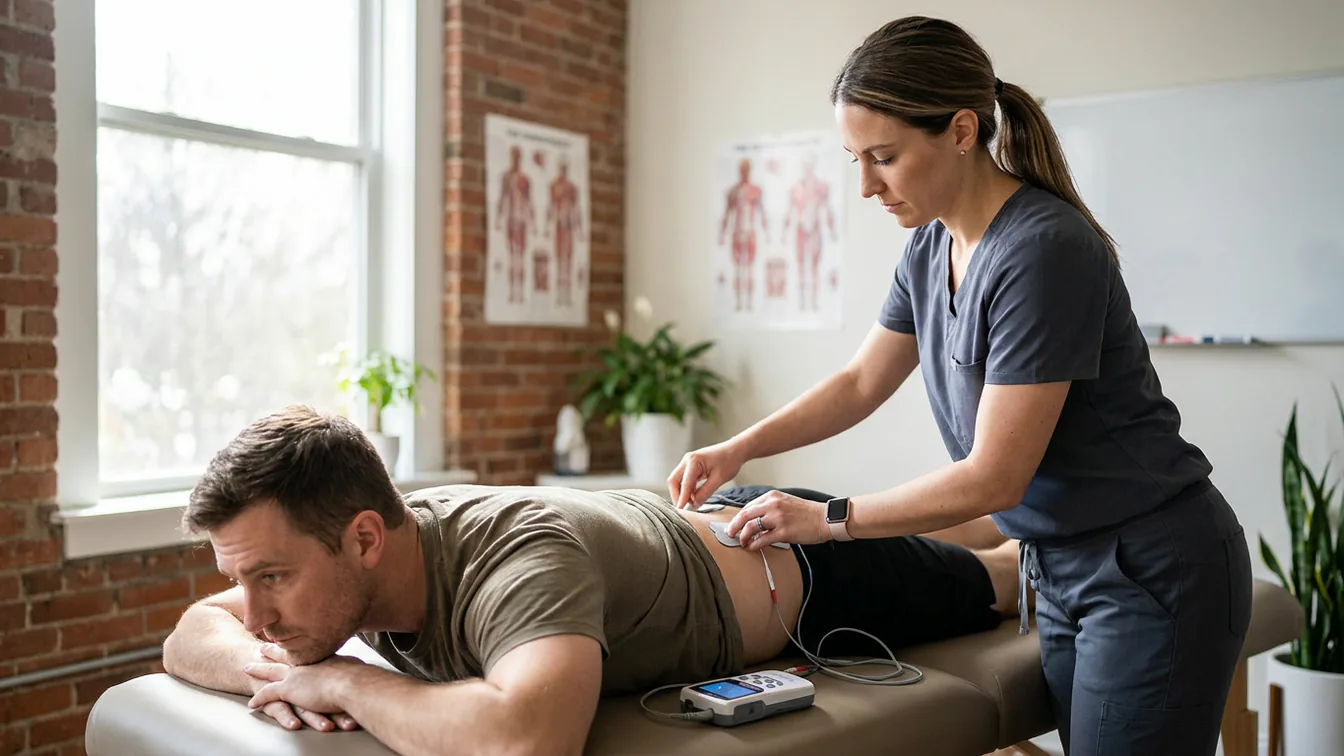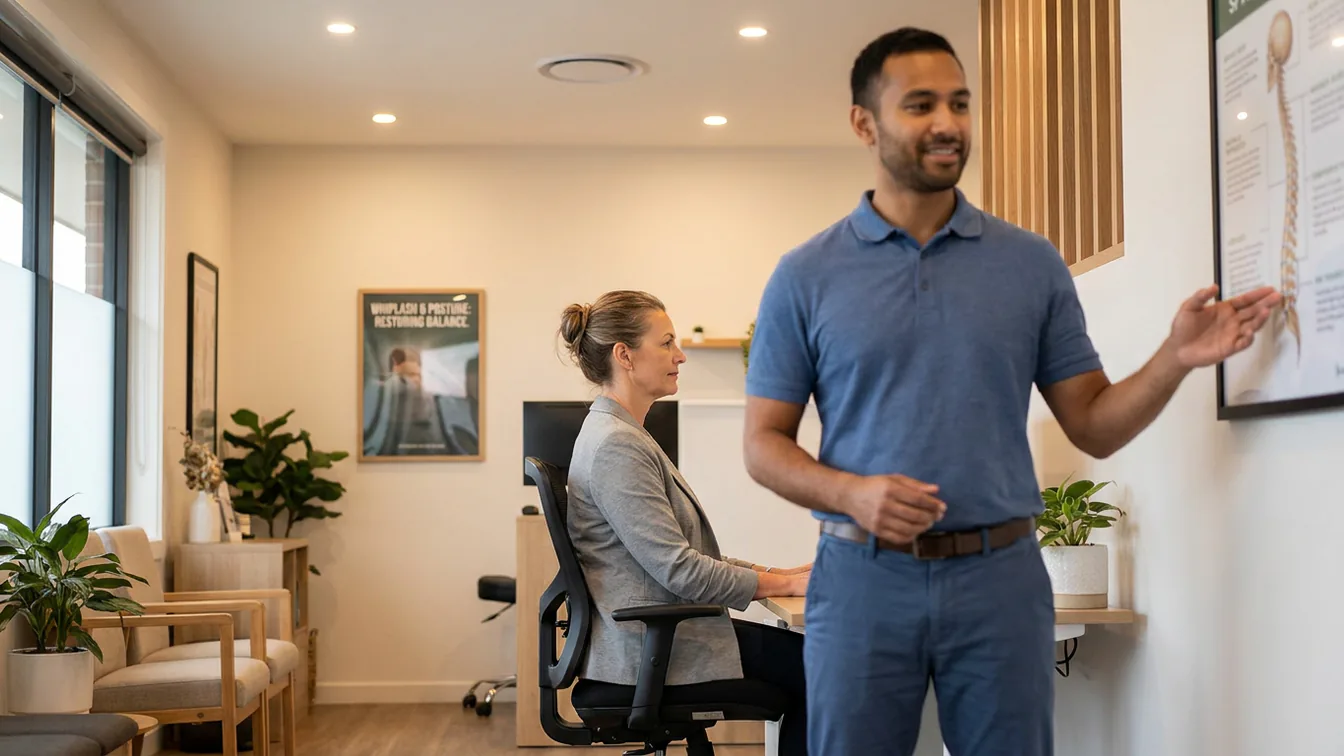

If you're among the millions of sciatica sufferers experiencing shooting pain down your leg, numbness in your foot, or that persistent ache that makes sitting unbearable, you're not alone. Sciatica affects up to 40% of people at some point in their lives, and for many O'Fallon residents, it has become a daily struggle that impacts work, family time, and overall quality of life. The good news? There's renewed hope on the horizon, and it doesn't necessarily involve surgery or long-term dependency on pain medications.
The landscape of sciatica treatment has evolved significantly in recent years, with natural and holistic approaches showing remarkable success rates. Whether you live in Scott Air Force Base or Maryville, understanding these emerging treatment options could be the key to reclaiming your active lifestyle and saying goodbye to chronic pain.
Understanding Sciatica: More Than Just Back Pain
Sciatica isn't actually a condition itself – it's a symptom of an underlying problem affecting your sciatic nerve, the longest nerve in your body. This nerve runs from your lower back, through your hips and buttocks, and down each leg. When something compresses or irritates this nerve, the result is the characteristic pain, numbness, tingling, or weakness that sciatica sufferers know all too well.
Many people mistakenly believe that sciatica is simply "bad back pain" that will eventually go away on its own. While some cases do resolve naturally, chronic sciatica often indicates a more complex issue that requires professional attention. The pain can range from a mild ache to a sharp, burning sensation that makes walking difficult. Some sufferers describe it as an electric shock running down their leg, while others experience constant numbness or weakness.
The most common causes include herniated discs, spinal stenosis, piriformis syndrome, and spondylolisthesis. In O'Fallon's active community, we also see cases related to sports injuries, workplace accidents, and even prolonged sitting – an increasingly common issue in our digital age. Understanding the root cause is crucial for developing an effective treatment plan that addresses not just the symptoms, but the underlying problem.
What makes sciatica particularly challenging is its unpredictable nature. You might feel fine one morning, then find yourself unable to bend over to tie your shoes by afternoon. This unpredictability often leads to anxiety and fear of movement, which can actually worsen the condition by causing muscle tension and reduced flexibility.
Revolutionary Non-Surgical Treatment Approaches
The traditional medical approach to sciatica has often been a progression from pain medications to steroid injections, and finally to surgery when conservative treatments fail. However, innovative healthcare providers are now achieving remarkable results with comprehensive, non-invasive treatment protocols that address the whole person, not just the symptoms.
Chiropractic care has emerged as one of the most effective treatments for sciatica sufferers. Modern chiropractic techniques go far beyond the traditional "crack and pop" adjustments many people envision. Today's chiropractors use precise, gentle adjustments combined with soft tissue therapies, postural correction, and movement rehabilitation to address the root causes of sciatic nerve compression.
Spinal decompression therapy represents another breakthrough in sciatica treatment. This non-surgical technique uses computer-controlled traction to gently stretch the spine, creating negative pressure within the discs. This negative pressure can help herniated or bulging discs retract, taking pressure off the sciatic nerve while promoting the flow of healing nutrients to the damaged area.
Physical therapy and targeted exercise programs have also evolved significantly. Rather than generic stretching routines, today's approach involves specific exercises designed to strengthen the deep stabilizing muscles of the spine while improving flexibility and correcting movement patterns that contribute to nerve compression. These programs are often combined with manual therapy techniques and patient education to ensure long-term success.
Cold laser therapy, also known as low-level laser therapy (LLLT), is gaining recognition for its ability to reduce inflammation and promote healing at the cellular level. This painless treatment uses specific wavelengths of light to stimulate cellular repair mechanisms, offering hope for sciatica sufferers who haven't responded well to other treatments.
Lifestyle Modifications That Make a Real Difference
While professional treatment is often necessary for chronic sciatica, lifestyle modifications can play a crucial role in both recovery and prevention. The key is understanding which activities and habits contribute to your symptoms and making strategic changes that support your healing process.
Posture awareness is fundamental for sciatica sufferers. Many O'Fallon residents work desk jobs or spend long hours driving, both of which can contribute to poor spinal alignment and increased pressure on the sciatic nerve. Simple changes like adjusting your workstation ergonomics, taking frequent breaks to stand and walk, and being mindful of your posture throughout the day can make a significant difference in symptom management.
Sleep quality and sleep position are often overlooked factors in sciatica management. The wrong mattress or pillow can undo hours of therapeutic treatment by placing your spine in poor alignment for 6-8 hours each night. Side sleepers often benefit from placing a pillow between their knees to maintain proper spinal alignment, while back sleepers may need support under their knees.
Stress management deserves special attention in sciatica treatment. Chronic pain creates stress, and stress creates muscle tension, which can worsen sciatica symptoms. Techniques like deep breathing exercises, meditation, gentle yoga, or even regular walks through Lion's Lake Park can help break this cycle and support your body's natural healing processes.
Nutrition also plays a role in managing inflammation and supporting tissue repair. An anti-inflammatory diet rich in omega-3 fatty acids, antioxidants, and whole foods can complement other treatments. Staying adequately hydrated is equally important, as dehydration can affect disc health and overall tissue function.
A Comprehensive Approach to Lasting Relief
The most successful outcomes for sciatica sufferers come from comprehensive treatment approaches that address multiple factors simultaneously. This might include chiropractic adjustments to restore proper spinal alignment, soft tissue therapies to reduce muscle tension, specific exercises to strengthen supporting muscles, and lifestyle modifications to prevent future episodes.
Education is a crucial component of this comprehensive approach. Understanding your condition, recognizing early warning signs, and knowing how to modify activities during flare-ups empowers you to take an active role in your recovery. Many successful sciatica sufferers report that learning about their condition was a turning point in their healing journey.
The timeline for sciatica recovery varies significantly from person to person. Some individuals experience relief within days or weeks, while others may need several months of consistent treatment. Factors that influence recovery time include the underlying cause of the sciatica, how long symptoms have been present, overall health status, and compliance with treatment recommendations.
Patience and persistence are essential virtues for sciatica sufferers. Healing is rarely linear – you may have good days and setbacks along the way. The key is maintaining consistency with your treatment plan and staying in communication with your healthcare providers about your progress.
Taking the Next Step Toward Relief
If you're tired of living with sciatic pain and ready to explore natural, effective treatment options, the first step is getting a proper evaluation from a healthcare provider who specializes in treating sciatica sufferers. A thorough examination can identify the root cause of your symptoms and help develop a personalized treatment plan that addresses your specific needs.
Here in O'Fallon, Illinois, residents have access to advanced chiropractic care that combines traditional techniques with modern technology and evidence-based approaches. Dr. Mukaia Lockett Chiropractic has been helping sciatica sufferers find relief through comprehensive, natural treatment approaches that focus on addressing the underlying causes of pain rather than just masking symptoms.
Don't let sciatica control your life any longer. Whether your pain started recently or you've been suffering for years, there are treatment options available that can help you return to the activities you love. The combination of professional care, lifestyle modifications, and patient education has helped countless individuals overcome sciatica and prevent future episodes.
If you're ready to take the first step toward lasting sciatica relief, consider scheduling a consultation to discuss your symptoms and treatment options. You can find comprehensive chiropractic care at 2 Eagle Center Suite 1, O'Fallon, Illinois 62269, where the focus is on helping you achieve not just pain relief, but optimal spinal health and overall wellness.
Remember, you don't have to suffer in silence. With the right approach and professional guidance, sciatica sufferers can find hope, healing, and a return to active, pain-free living.