Surgery can be a life-changing event, offering hope for better health and improved quality of life. However, the journey doesn't end when you leave the operating room. For many post-surgical recovery sufferers, the weeks and months following a procedure can be filled with pain, limited mobility, and frustration as the body works to heal. Whether you're recovering from orthopedic surgery, cardiac procedures, or other surgical interventions here in O'Fallon, understanding your options for natural healing support can make a significant difference in your recovery timeline and overall comfort.
The good news is that you don't have to rely solely on pain medications and rest to navigate your post-surgical recovery. A growing body of research supports integrative approaches that combine traditional medical care with complementary therapies, offering new hope for those struggling with prolonged recovery times, persistent pain, and mobility challenges. From the corn and soybean farming communities surrounding our area to busy professionals in Metroeast, people are discovering that natural healing methods can significantly enhance their post-surgical experience.
Understanding the Challenges of Post-Surgical Recovery
Post-surgical recovery sufferers face a unique set of challenges that extend far beyond the initial healing of the surgical site. The body's response to surgery involves inflammation, tissue damage, and often compensation patterns that can create additional strain on muscles, joints, and the nervous system. Many patients in O'Fallon find themselves dealing with:
Persistent Pain Beyond Expected Timeframes: While some discomfort is normal after surgery, chronic pain that extends weeks or months beyond the expected healing period can significantly impact quality of life. This pain often stems not just from the surgical site itself, but from the body's adaptive responses during the recovery process.
Reduced Mobility and Stiffness: Extended periods of limited movement during recovery can lead to muscle weakness, joint stiffness, and decreased range of motion. These issues can persist long after the initial healing is complete, creating ongoing challenges for returning to normal activities.
Compensation Patterns: When one part of the body is healing, other areas often work overtime to compensate. This can create new areas of tension, pain, and dysfunction that weren't present before the surgery. For example, someone recovering from knee surgery might develop hip or back pain due to altered walking patterns.
Sleep Disruption and Fatigue: Pain and discomfort can significantly impact sleep quality, which is crucial for healing. Poor sleep can slow recovery, increase pain sensitivity, and affect mood and cognitive function.
Medication Dependence Concerns: While pain medications serve an important role in post-surgical care, many patients worry about long-term dependence or experience unwanted side effects that impact their daily functioning.
Residents of O'Fallon and surrounding areas like East St. Louis are increasingly seeking alternatives that address these multifaceted recovery challenges while supporting the body's natural healing processes.
Natural Approaches That Support Healing
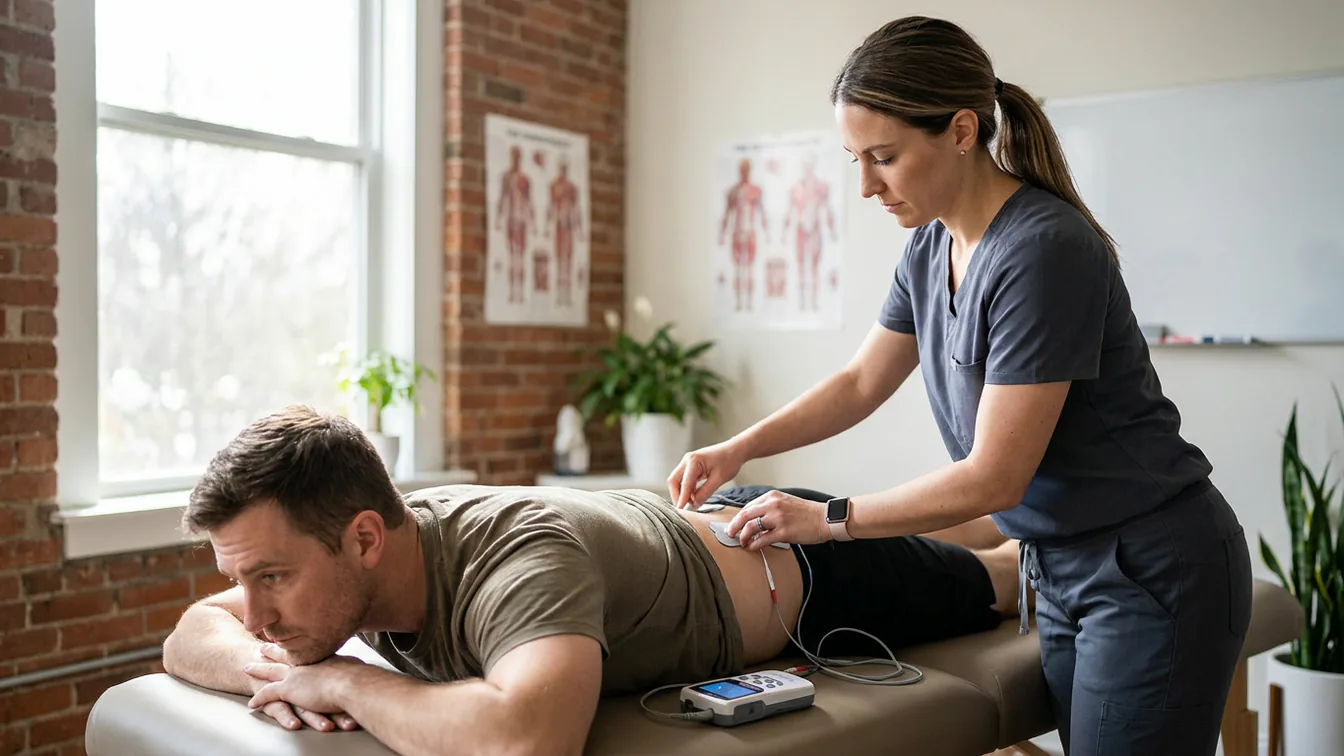
The human body possesses remarkable healing capabilities, and supporting these natural processes can significantly enhance post-surgical recovery. Evidence-based complementary therapies offer post-surgical recovery sufferers additional tools for managing pain, improving mobility, and accelerating healing without interfering with medical treatment protocols.
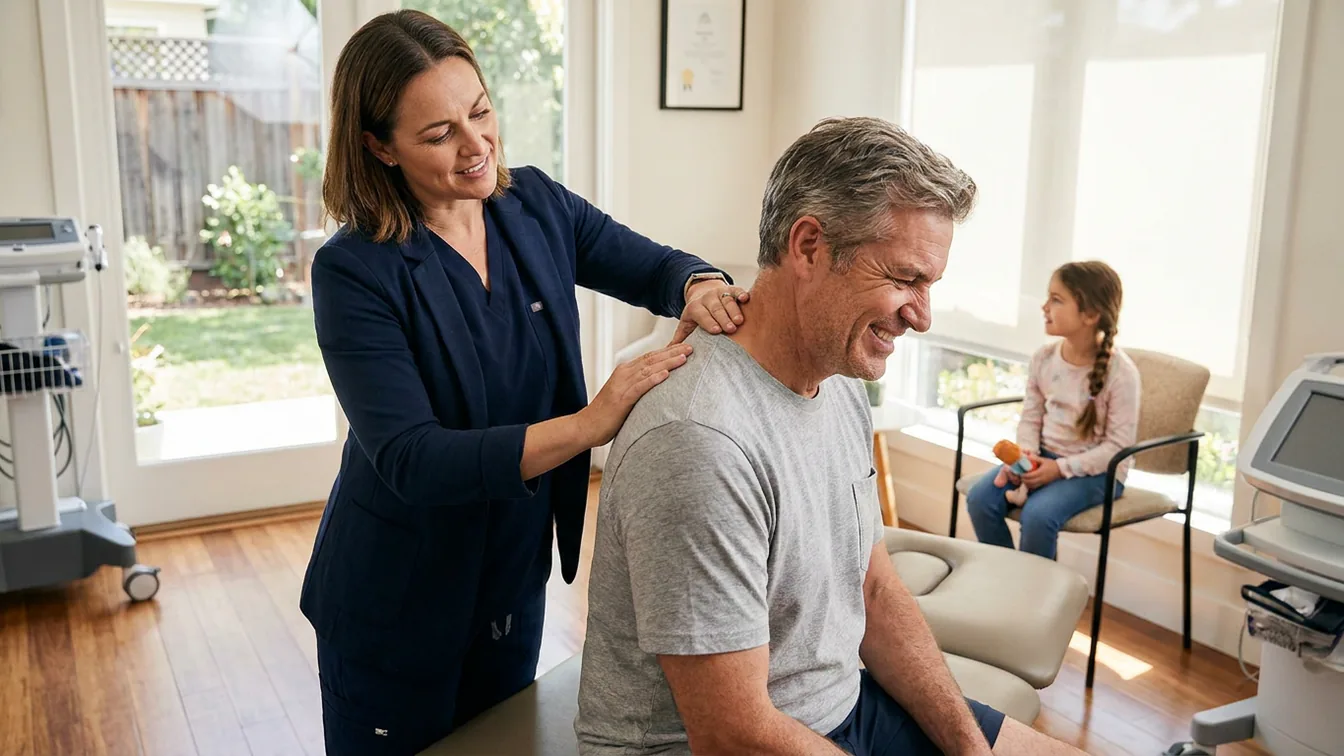
Chiropractic Care for Post-Surgical Support: Gentle chiropractic techniques can help address compensation patterns that develop during recovery. By ensuring proper spinal alignment and nervous system function, chiropractic care supports the body's ability to heal while reducing secondary pain and dysfunction. Many patients find that regular chiropractic adjustments help them regain normal movement patterns more quickly and reduce overall recovery time.
Therapeutic Movement and Exercise: Customized movement programs designed specifically for post-surgical patients can help maintain mobility, prevent muscle atrophy, and improve circulation to promote healing. These programs must be carefully tailored to respect healing tissues while gradually restoring function.
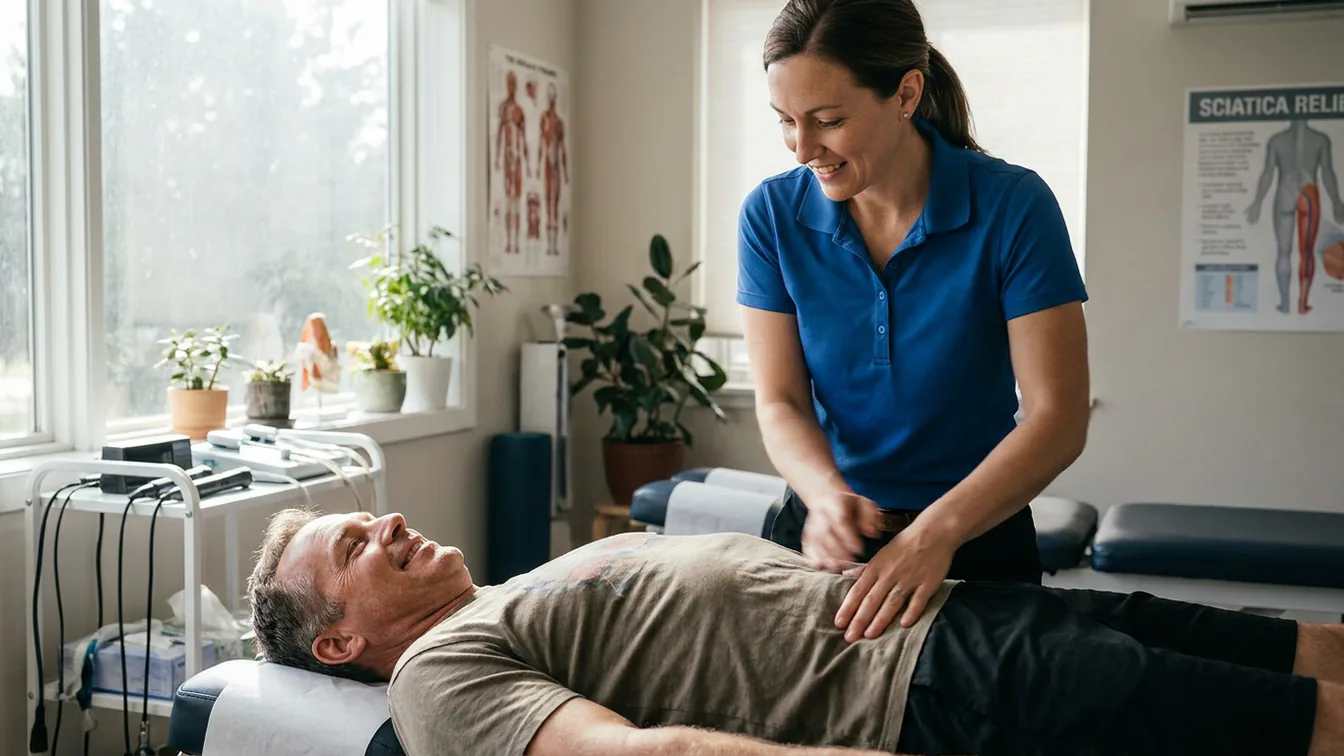
Soft Tissue Therapies: Techniques such as gentle massage, myofascial release, and manual therapy can help reduce scar tissue formation, improve circulation, and address muscle tension that develops during the recovery period. These approaches can be particularly beneficial for managing pain and stiffness.
Nutritional Support for Healing: The body's nutritional needs increase significantly during the healing process. Proper nutrition supports tissue repair, reduces inflammation, and provides the building blocks necessary for recovery. Anti-inflammatory foods, adequate protein, and specific nutrients like vitamin C, zinc, and omega-3 fatty acids play crucial roles in healing.
Stress Management and Mind-Body Techniques: Recovery can be emotionally and mentally challenging. Techniques such as deep breathing exercises, meditation, and gentle yoga can help manage stress, improve sleep quality, and support the body's healing response. Research shows that patients who actively manage stress during recovery often experience better outcomes.
Creating an Integrated Recovery Plan
Successful post-surgical recovery often requires a team approach that combines medical care with complementary therapies. The key is finding healthcare providers who understand how to safely integrate these approaches while respecting the specific requirements of your surgical recovery protocol.
Communication with Your Medical Team: Before incorporating any complementary therapies into your recovery plan, it's essential to discuss these options with your surgeon and medical team. Most healthcare providers appreciate patients who take an active role in their recovery and are often supportive of evidence-based complementary approaches.
Timing and Progression: Different therapies may be appropriate at different stages of recovery. For example, gentle movement might be encouraged early in recovery, while more intensive manual therapies might be reserved for later stages when initial healing is more complete. A qualified practitioner will understand these timelines and modify treatment accordingly.
Individualized Approach: Every surgery and every patient is unique. What works well for one person's recovery may not be appropriate for another. Effective integrated care involves careful assessment of your specific situation, surgical procedure, current symptoms, and recovery goals.
Monitoring Progress: Regular assessment of your recovery progress helps ensure that complementary therapies are providing benefit and allows for adjustments as your healing progresses. This might include tracking pain levels, range of motion, functional abilities, and overall quality of life.
For residents throughout O'Fallon and Illinois, access to knowledgeable practitioners who understand post-surgical care requirements is crucial for implementing these integrated approaches safely and effectively.
Taking the Next Step in Your Recovery Journey
If you're among the many post-surgical recovery sufferers looking for additional support in your healing journey, you don't have to navigate this process alone. Whether you're dealing with persistent pain, limited mobility, or simply want to optimize your recovery, exploring natural healing approaches can provide the additional support your body needs.
The path to complete recovery may take time, but with the right combination of medical care and natural healing support, many patients find they can achieve better outcomes than they initially expected. From reducing pain and improving mobility to supporting overall wellness during the recovery process, integrative approaches offer new hope for those facing the challenges of post-surgical healing.
Recovery doesn't have to be a journey you take alone. Consider reaching out to healthcare providers in your area who specialize in post-surgical support and natural healing approaches. Whether you're taking a peaceful walk around Horseshoe Lake State Park or simply trying to return to your daily activities in O'Fallon, professional guidance can help you navigate your recovery more effectively.
If you're ready to explore how chiropractic care and natural healing approaches might support your post-surgical recovery, Dr. Mukaia Lockett Chiropractic at 2 Eagle Center Suite 1, O'Fallon, Illinois 62269 is here to help. Taking that first step toward comprehensive recovery support could be the key to achieving the healing and wellness you're seeking.