
If you're among the millions of carpal tunnel syndrome sufferers experiencing numbness, tingling, and pain in your hands and wrists, you're not alone. This common condition affects people from all walks of life, from office workers in O'Fallon to healthcare professionals throughout Illinois. The good news is that new understanding of carpal tunnel syndrome has opened doors to effective, non-invasive treatment options that don't require surgery or long-term medication dependence.
Carpal tunnel syndrome occurs when the median nerve, which runs through a narrow passageway in your wrist called the carpal tunnel, becomes compressed. This compression leads to the characteristic symptoms that can make even simple daily tasks feel overwhelming. Whether you live in Dupo or Glen Carbon, you've likely noticed how this condition can impact everything from typing at work to enjoying recreational activities.
The traditional approach to treating carpal tunnel often jumps quickly to invasive options, but emerging research shows that addressing the root causes through comprehensive care can provide remarkable results. Small-town Illinois living doesn't mean you have to settle for limited treatment options or accept that surgery is your only path forward.
Understanding the Real Causes Behind Carpal Tunnel Syndrome
Many carpal tunnel syndrome sufferers are surprised to learn that their wrist pain might actually originate from problems elsewhere in their body. While repetitive motions and wrist positioning certainly play a role, the condition often involves a complex interplay of factors that extend beyond the wrist itself.
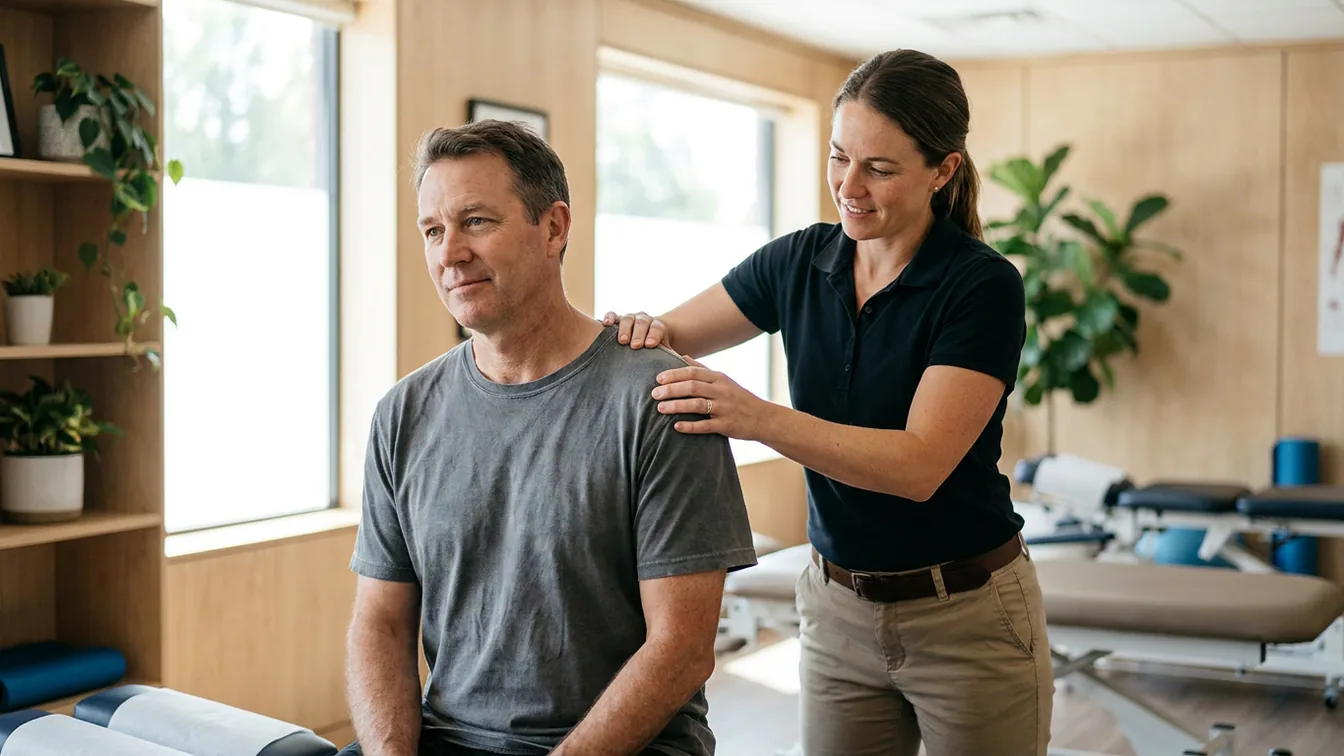
Spinal alignment issues, particularly in the cervical spine, can contribute significantly to carpal tunnel symptoms. When vertebrae in your neck become misaligned, they can affect nerve function all the way down to your hands. This connection explains why some O'Fallon residents find that addressing their posture and spinal health leads to unexpected improvements in their carpal tunnel symptoms.
Inflammation throughout the body also plays a crucial role. Poor diet, chronic stress, and sedentary lifestyles can create systemic inflammation that makes the tissues in your carpal tunnel more prone to swelling and nerve compression. Understanding these connections opens up new avenues for treatment that go beyond simply bracing the wrist or taking anti-inflammatory medications.
Postural problems from modern work environments compound these issues. Hours spent hunched over computers or looking down at mobile devices create a cascade of musculoskeletal imbalances that can ultimately manifest as carpal tunnel syndrome. The forward head posture so common in today's digital world puts extra stress on the entire kinetic chain, from your neck down to your fingertips.
Sleep position and pillow choice might seem unrelated to wrist pain, but they significantly impact nerve function and circulation. Many carpal tunnel syndrome sufferers notice their symptoms are worse in the morning, which often relates to how they've positioned their arms and wrists during sleep.
Natural Treatment Approaches That Actually Work
The most encouraging development for carpal tunnel syndrome sufferers is the growing evidence supporting natural, holistic treatment approaches. These methods address the underlying causes rather than merely masking symptoms, often leading to more sustainable relief.
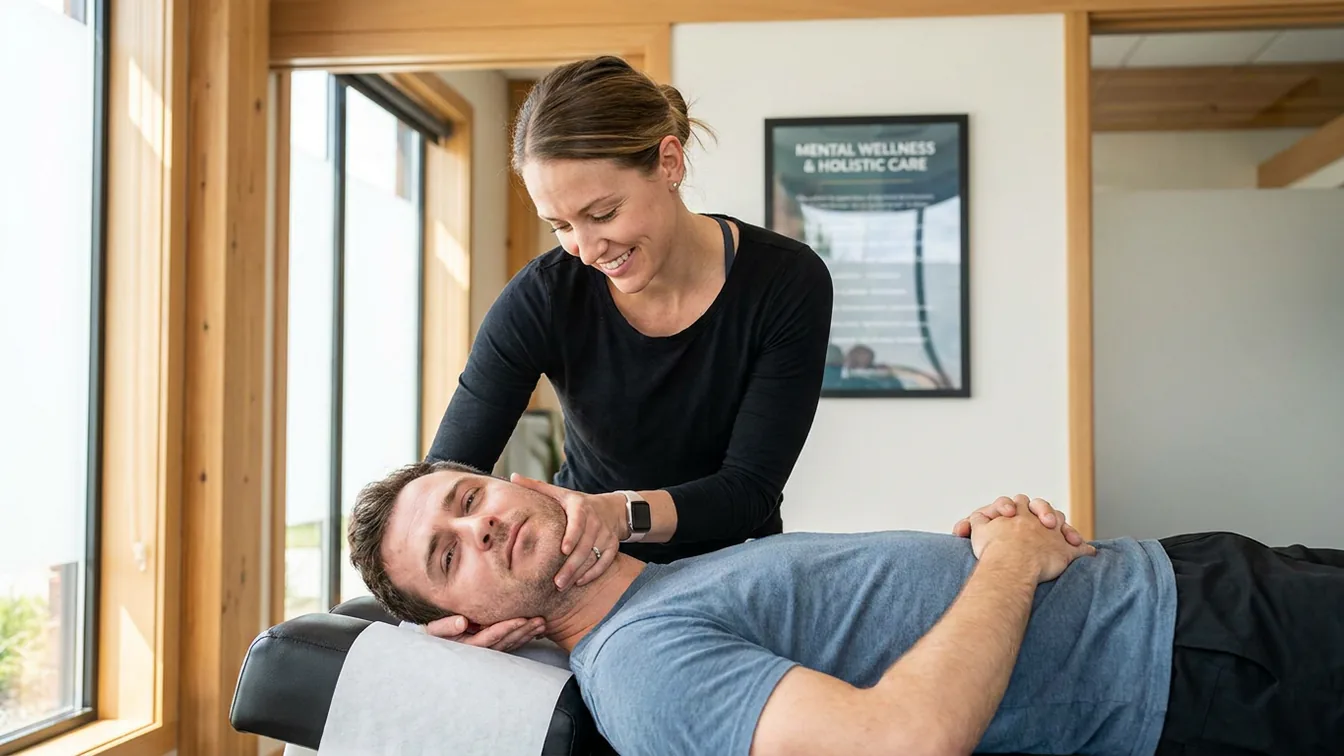
Chiropractic care has shown remarkable success in treating carpal tunnel syndrome by addressing spinal alignment issues that contribute to nerve compression. When the cervical spine is properly aligned, it reduces stress on the entire nervous system, often providing relief that extends to the hands and wrists. O'Fallon residents have access to skilled practitioners who understand these connections and can develop comprehensive treatment plans.
Specific exercises targeting the wrist, forearm, and shoulder can help decompress the carpal tunnel and improve nerve function. Nerve gliding exercises, in particular, help the median nerve move more freely through its pathway, reducing adhesions and improving circulation. These exercises are simple enough to perform at home or office, making them practical for busy schedules.
Ergonomic modifications in work and home environments play a crucial role in both treatment and prevention. Simple changes like adjusting monitor height, using ergonomic keyboards, and taking regular breaks can significantly reduce the repetitive stress that contributes to carpal tunnel syndrome. For those working from home in Illinois, creating a proper workspace setup is more important than ever.
Nutritional approaches focusing on reducing inflammation can provide substantial relief. Omega-3 fatty acids, turmeric, and other anti-inflammatory compounds help reduce the systemic inflammation that contributes to tissue swelling in the carpal tunnel. B-vitamins, particularly B6, support nerve health and function.
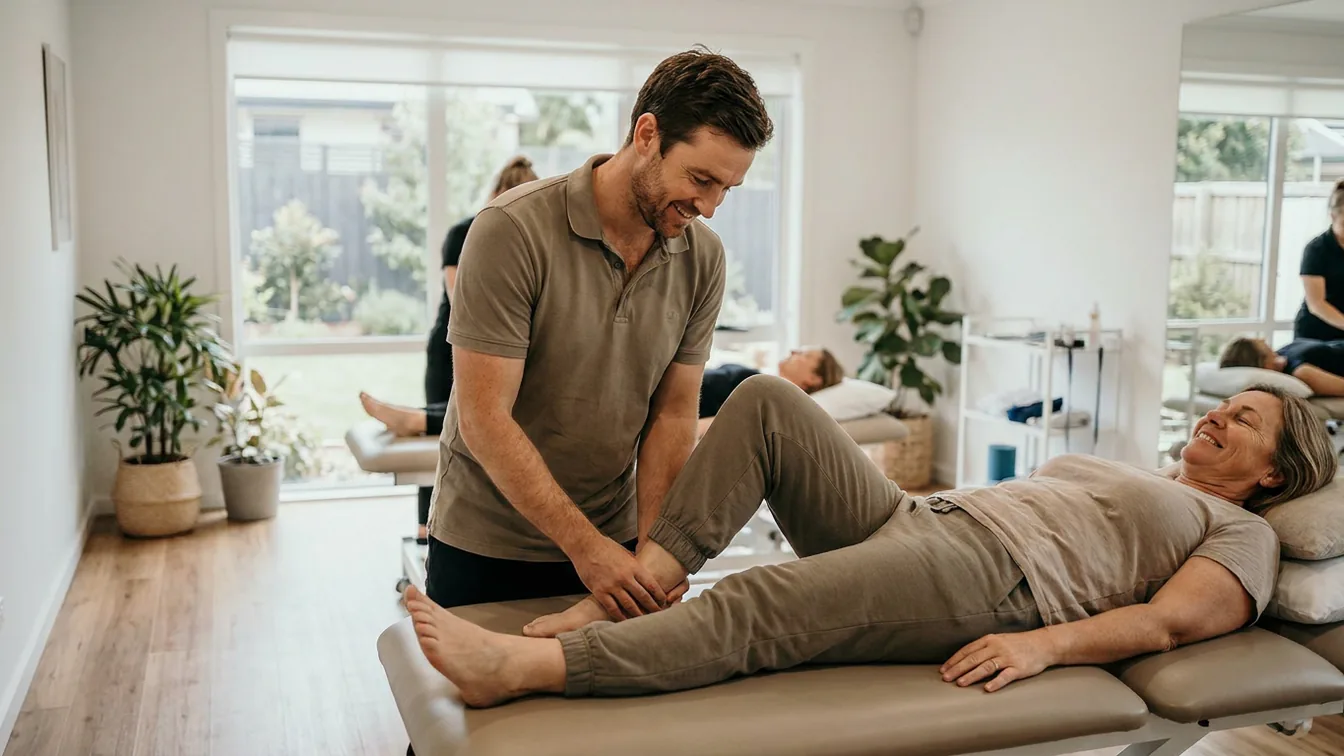
Manual therapy techniques, including soft tissue work on the forearms and hands, can help improve circulation and reduce muscle tension that contributes to nerve compression. These approaches work particularly well when combined with other natural treatments.
Advanced Therapies Offering New Hope
Recent developments in non-invasive therapies are providing even more options for carpal tunnel syndrome sufferers who want to avoid surgery. These advanced treatments work by addressing the condition from multiple angles simultaneously.
Laser therapy has emerged as a powerful tool for reducing inflammation and promoting healing in the carpal tunnel area. Low-level laser therapy helps increase cellular energy production, reduce inflammation, and improve nerve function without any side effects. Many O'Fallon patients report noticeable improvements after just a few sessions.
Shockwave therapy, originally used for kidney stones, has found new applications in treating musculoskeletal conditions including carpal tunnel syndrome. This therapy uses acoustic waves to stimulate healing and break up scar tissue that may be contributing to nerve compression.
Dry needling and acupuncture can help address trigger points and muscle tension in the forearms and shoulders that contribute to carpal tunnel symptoms. These techniques help restore proper muscle function and reduce nerve irritation.
Specialized bracing and taping techniques go beyond the basic wrist splints often recommended for carpal tunnel syndrome. Kinesiologic taping and custom orthotic devices can provide support while still allowing functional movement, helping retrain proper movement patterns.
Neurological rehabilitation exercises focus specifically on retraining the nervous system to function more efficiently. These exercises help improve nerve conduction and reduce the hypersensitivity that often accompanies carpal tunnel syndrome.
Creating Your Path to Recovery
The key to successfully overcoming carpal tunnel syndrome lies in developing a comprehensive approach that addresses your specific contributing factors. No two cases are exactly alike, which means your treatment plan should be tailored to your unique situation and lifestyle.
Start by identifying and modifying the activities and positions that worsen your symptoms. This might mean adjusting your workspace, changing how you sleep, or taking more frequent breaks from repetitive activities. Even small changes can have significant cumulative effects.
Consider keeping a symptom diary to identify patterns and triggers. Note when your symptoms are worst, what activities seem to aggravate them, and what provides relief. This information becomes invaluable in developing an effective treatment strategy.
Don't underestimate the importance of stress management in your recovery. Chronic stress contributes to inflammation and muscle tension throughout the body, including in the areas that affect carpal tunnel syndrome. Whether you enjoy walks through Swansea Park or prefer other stress-relief activities, finding healthy ways to manage stress supports your overall healing process.
Consistency in your treatment approach is crucial for achieving lasting results. Natural treatments often take time to show their full effects, but the improvements tend to be more sustainable than quick fixes that only address symptoms.
If you're ready to explore natural treatment options for your carpal tunnel syndrome, consider consulting with healthcare providers who understand the complex nature of this condition. Dr. Mukaia Lockett Chiropractic at 2 Eagle Center Suite 1, O'Fallon, Illinois 62269 offers comprehensive approaches that address the root causes of carpal tunnel syndrome rather than just masking symptoms. Taking action now can help prevent your condition from worsening and get you back to enjoying the activities that matter most to you.